The Importance of Trade Agreements for Texas Dairy
Trade agreements set the rules for who can sell what, where, and at what tax. For a state that ships dairy to neighbors and overseas, the fine print can matter as much as the weather.
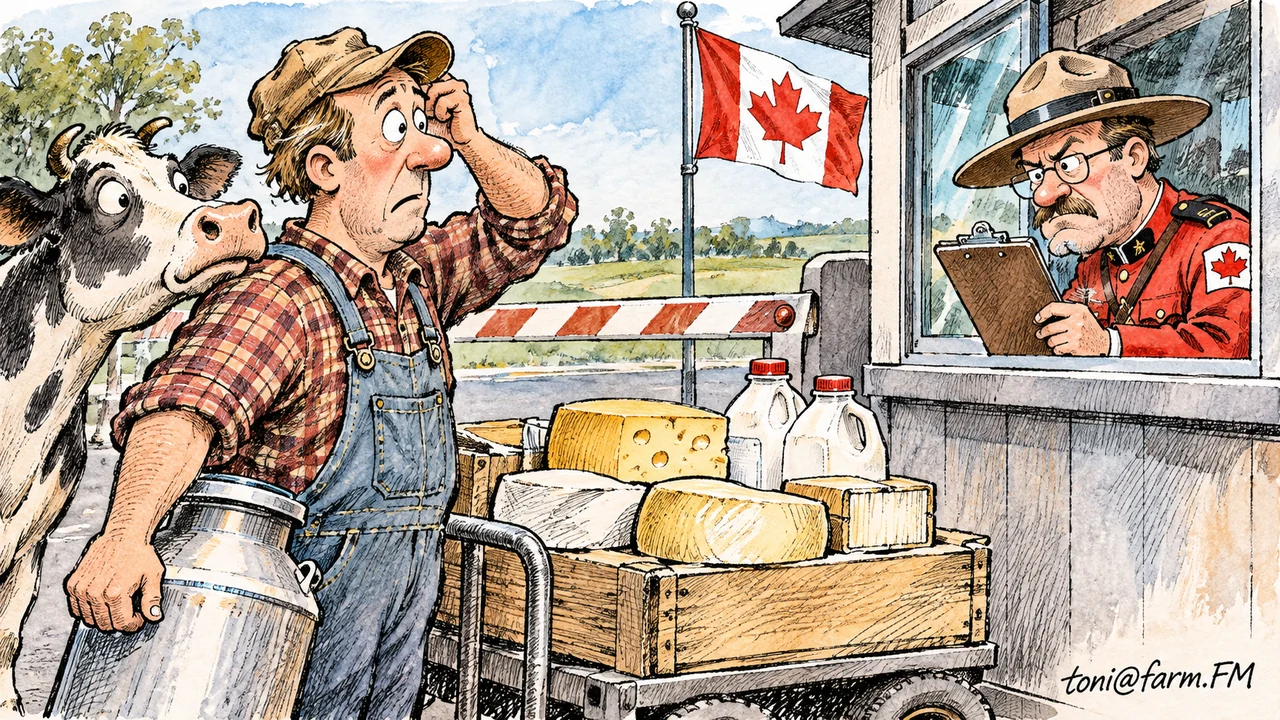
What does a trade agreement actually do?
A trade agreement is a deal between governments about the terms of trade. It may lower or remove tariffs, set rules on quotas, define standards for food safety and labeling, and create procedures to settle disputes. The U.S. Trade Representative negotiates U.S. agreements, and the text of each is posted by the office.
We do not describe any specific agreement's terms here. Check the official text and summaries for the current provisions, since terms and their implementation can change.
Agreements also differ in scope. Some cover only goods, while others include services, investment and digital trade. Dairy provisions tend to be among the most hotly negotiated, so read the dairy sections of any summary first.
How do they affect dairy?
Dairy is one of the more sensitive sectors in trade talks because many countries protect their dairy markets with tariffs, quotas or regulations. Agreements can open access for exporters, but they can also increase imports, which concerns some producers.
For Texas, trade with Mexico and Canada is especially important, and rules of origin, labeling standards and sanitary requirements all matter. The U.S. International Trade Commission and Foreign Agricultural Service publish data and analysis.
What do supporters argue?
Supporters say agreements lower costs for exporters, create predictable rules, and give U.S. dairy products fair access to growing markets. They argue that more export demand supports milk prices and that rules-based trade reduces arbitrary barriers. Industry groups such as the National Milk Producers Federation and the U.S. Dairy Export Council often make this case.
They also point to the importance of long-term certainty. A rule that stays in place for years lets a processor invest in capacity or a new product with more confidence. Many also say agreements give governments a place to resolve disputes without resorting to unilateral measures.
Their case rests on the idea that stable, enforceable rules help farms plan, hire and invest across several seasons, rather than reacting to each new tariff announcement.
What do critics respond?
Critics argue that agreements can expose domestic producers to more imports, that benefits may go to large firms more than small farms, and that promised market access does not always materialize because of non-tariff barriers. Some groups, such as the National Farmers Union, have raised concerns about the effects on family farms in various contexts.
The facts are often disputed, and economists disagree on how much of any change in prices or trade flows comes from an agreement as opposed to other forces such as currency, weather and demand. Read both sides and look at the data before you decide.
There is also a difference between a deal's text and how it is applied. Disagreements over interpretation can persist for years, and enforcement depends on dispute procedures that can be slow.
- Market access versus import competition
- Benefits to large versus small producers
- Tariff barriers versus non-tariff barriers
How can you read a deal's effects for yourself?
Look at what changed for your product and your market. Is there a tariff on it, and did it fall? Is there a quota? Are labeling rules different? Then look at actual trade data over several years and ask your processor or cooperative how it sees the change.
Talk to your Texas Department of Agriculture contacts and Extension specialists at AgriLife Extension. The farm money guide and dairy herd guide on our sister sites help with planning around changes.
Remember that agreements do not execute themselves. Buyers, forwarders and agencies must work out the details, and some benefits only appear after businesses learn the paperwork.
Where can you read more?
For farm-flavored commentary that is not shy about opinions, try the economics section at farm.FM and farm news and satire, including a farm.FM story on trade agreements and dairy.
This site is independent and offers general information only. Rely on official texts and trusted analysts for specifics.
Keep a folder of any summaries you rely on, with dates. Ask your lender how a trade change might affect your cash flow.
Sources and further reading
- USTR: U.S. Trade Representative
- U.S. International Trade Commission: tariff and trade data
- USDA Foreign Agricultural Service: export markets and trade data
- National Milk Producers Federation: dairy cooperatives and policy
- U.S. Dairy Export Council: dairy exports
- National Farmers Union: national farm organization
Ask locally: Ask your cooperative's government affairs staff and a state Extension economist how specific provisions affect your products.