The Future of the WTO’s Dispute Settlement System
When two countries disagree over a trade rule, the World Trade Organization is supposed to be the referee. How well that referee works affects every exporter, including dairy.
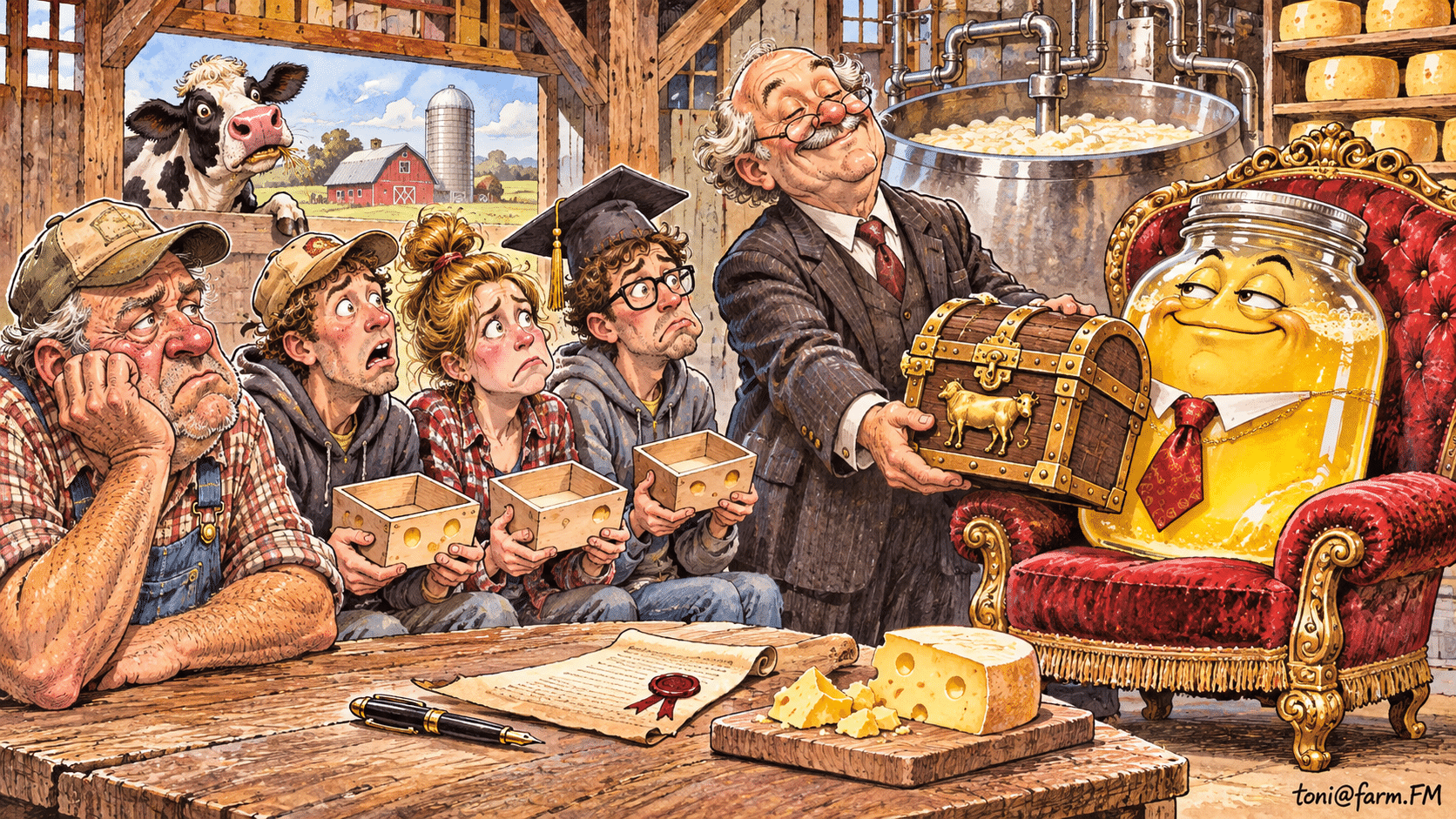
What is dispute settlement?
When a WTO member believes another member has broken trade rules, it can bring a complaint. A panel of experts reviews the case, and the ruling can be appealed. If a country is found to have broken the rules, it is expected to change its practice, and the complaining country may be allowed to respond if it does not.
This process has been used in many agricultural cases, including disputes over subsidies, import restrictions and food safety rules. The U.S. Trade Representative publishes the U.S. role in these cases, and the WTO website holds the official record.
The outcome of a case can take years, and compliance is not guaranteed. That is one reason many exporters prefer to resolve problems through talks before a formal complaint. Still, the possibility of a case shapes how countries behave. Keep in mind that a ruling in one case does not automatically change the rules for every other product, which is why the details of each dispute matter.
Why is its future in question?
The system has been under strain. Members have disagreed on how the appeals stage should work, and reports over several years have described difficulty in keeping that stage functioning. Because the situation has changed over time, check the WTO and USTR websites for its current status rather than relying on our summary.
Supporters of reform argue the system needs changes to address concerns about its scope and speed. Others argue that a working appeal process is essential to keep rules enforceable. Reasonable people disagree, and the debate involves many countries.
Reform proposals vary: some would restore the appeals stage in a modified form, others would replace it with different mechanisms, and some would rely more on arbitration among willing members. Keep an eye on official announcements for changes.
Why should a Texas dairy care?
Most dairy farms will never file a trade complaint. But predictable enforcement of trade rules matters when a country sets a tariff or sanitary rule that blocks your products. A working system gives exporters a path to challenge barriers. Without one, countries may rely on negotiation, retaliation or bilateral deals.
Trade groups such as the U.S. Dairy Export Council and the National Milk Producers Federation often track these matters because dairy barriers are common.
A few producers may also see the effects in the price of imported inputs and equipment. Trade rules cover more than dairy, and a change in the system could affect machinery, fertilizer and other goods too.
- Predictable rule enforcement
- Path to challenge barriers
- Alternatives: negotiation and bilateral deals
What are the arguments on each side?
Supporters of a strong multilateral system say it protects smaller exporters and gives rules force. Critics say that the system sometimes overreached or moved too slowly, and that countries should keep more control over their own policies. Both views appear in policy debates in Congress, where the Congress.gov site tracks bills and hearings.
Facts are disputed, too. Observers disagree about how many cases were resolved fairly and how much the system affected actual trade flows. Read primary sources and balanced analysts, and avoid anyone who claims certainty.
One more caution: be wary of simple stories. A complaint filed is not a ruling, and a ruling is not always followed. Our Economic Research Service source above also publishes trade policy background for general readers.
What can a dairy producer do?
Stay informed through trade associations and your cooperative, and make your views known to your representatives and groups like the Texas Farm Bureau. If you export, keep documentation of any barrier you encounter, such as a rule that changes without notice, because agencies may use such records when raising concerns.
Meanwhile, manage risk. Diversify buyers, build contingency plans and read contracts. See the farm money guide for planning ideas and the dairy guide for herd and plant basics.
If you want to influence the debate, joining your state farm organization is a straightforward way to be heard. Short notes on dates and sources make later conversations with advisors much easier.
Where can you read more?
For commentary in plain English, visit the economics page at farm.FM and the satire page, which sometimes pokes fun at trade referees. See also a farm.FM story on the WTO.
Our site is independent and not affiliated with the WTO or any government. Check official sources for the current state of the system. The system also affects imports: when other countries challenge U.S. farm policies, the same process applies in reverse, and producers may find themselves on the other side of a ruling.
Sources and further reading
- USTR: U.S. Trade Representative
- U.S. Dairy Export Council: dairy exports
- National Milk Producers Federation: dairy cooperatives and policy
- Congress.gov: bills and legislative status
- Texas Farm Bureau: state farm organization
- U.S. International Trade Commission: tariff and trade data
Ask locally: Ask your trade association's policy staff and an agricultural trade economist at a university for balanced views.