The U.S.-UK Free Trade Agreement: A Dairy Perspective
The United Kingdom is a market with deep dairy traditions and its own farm lobby. A U.S.-UK agreement raises plain questions for American dairy: what could we sell, what would we have to match, and who decides?
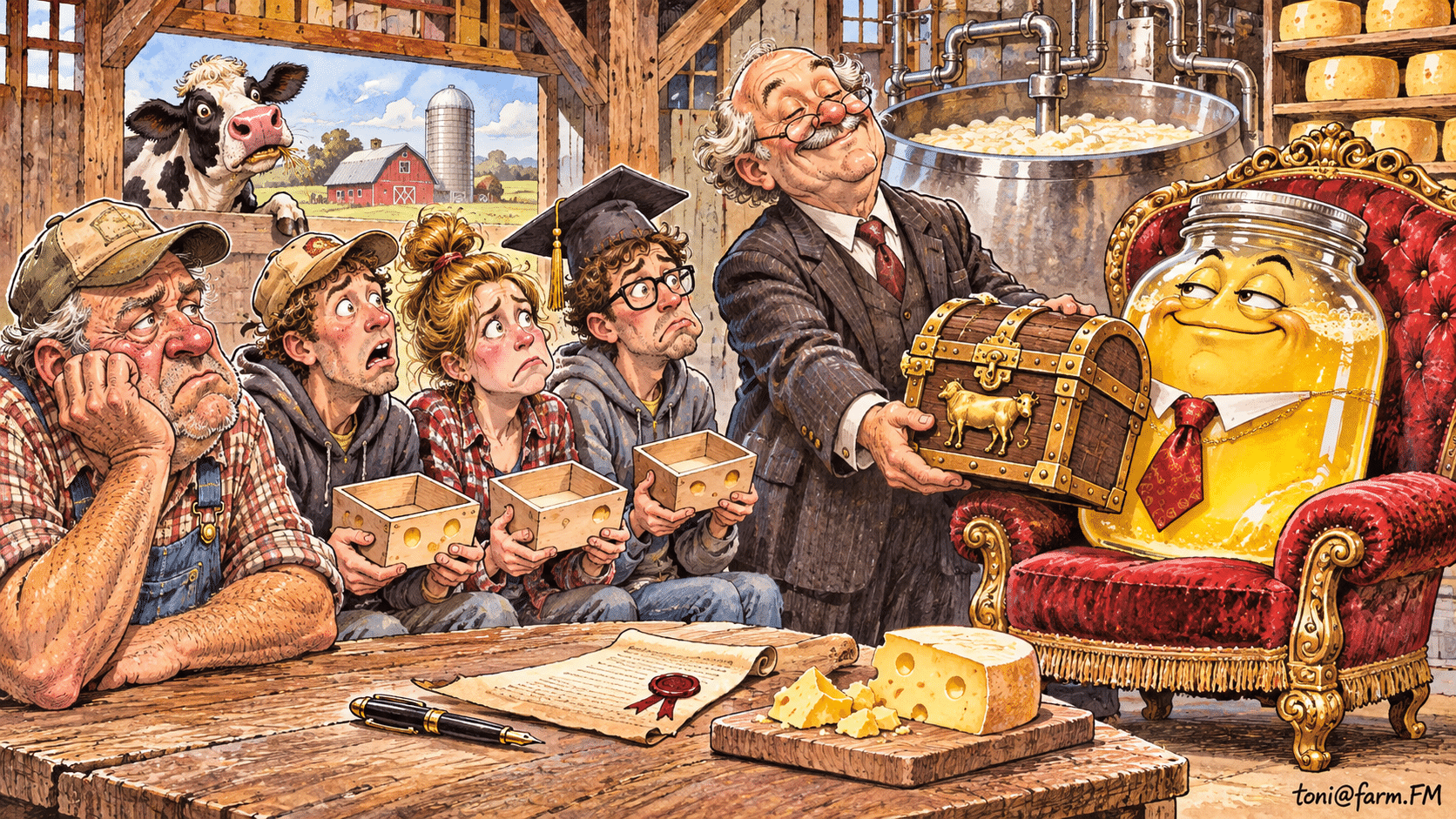
What makes the UK a different dairy market?
The UK produces plenty of its own milk and has a strong cheese heritage, so it is not an obvious blank slate for American exporters. Yet it also imports dairy products, which means there are niches where U.S. suppliers can compete, especially in ingredients where scale and consistency matter.
The headline of this article is framed as a perspective, not a result. If you see specific tariff or quota numbers elsewhere, treat them as reported and confirm them with the Office of the U.S. Trade Representative before using them.
A practical way to size up any market is to ask three questions. How much does it already import? Who supplies it today? And what does it pay for the products American plants make best? The answers usually live in trade statistics, not in press releases, and the USDA Economic Research Service is a good starting point for that kind of data.
Where do the sticking points usually show up?
Trade negotiators describe them in technical language, but the farm-level meaning is simple. Standards on how milk is produced and tested can differ. Rules about labeling and product names can block shelf space. And any agreement must say how much of a protected product can enter at a lower duty.
The USDA Foreign Agricultural Service publishes country market profiles and exporter guidance, and the International Trade Administration offers practical export help for U.S. businesses. Both are better sources than a social media chart.
- Production and animal health standards
- Labeling, naming and packaging rules
- Quota size and how it is shared
- Customs paperwork and certificates
How would an agreement reach a dairy in Dumas?
Dumas sits in the Texas Panhandle, a major dairy and feed region. A farm here does not ship to Britain. Instead, its milk goes to a plant, and the plant sells cheese, butter, powder or whey into markets that may or may not include the UK.
That is why the most useful question for a producer is about your buyer. Ask what share of their products goes abroad, which markets they depend on, and how a new agreement might change their outlook. The U.S. Dairy Export Council offers market data that helps you ask sharper questions.
A hypothetical example helps. Suppose a Panhandle plant sells part of its whey and cheese output abroad. If a new agreement lowers the duty on those items in one market, the plant may bid a little harder for milk. If the same agreement lets more foreign cheese into our market, the plant may feel pressure at home. The farm sees the net of those two forces, which is why it pays to ask your buyer how they see it.
What do supporters and skeptics say?
Supporters of a U.S.-UK agreement argue that it opens a stable, English-speaking market, sets a precedent for science-based standards, and gives exporters of whey and cheese a new outlet. Skeptics respond that gains may be small compared with larger markets, and that dairy often gets traded away for other priorities.
Both camps can point to real features of dairy trade, which is why a measured read is smart. The GAO and the U.S. International Trade Commission publish independent analysis that can help sort claims from evidence.
Another point worth keeping in mind is timing. Agreements are often phased in over years, and the details can change between a headline and a signed text. A producer making a capital decision this season should lean on current milk prices and costs, not on the promise of a tariff cut that may arrive later.
What should a producer do now?
Keep your own house in order. Know your breakeven, understand your milk pricing formula, and look at risk tools like Dairy Margin Coverage. Check current enrollment terms with your local FSA office, because programs change.
For the production side, a refresher on cow comfort and herd health from a practical guide to dairy herd health often pays more than speculation about tariffs. If you are weighing new debt, the cash-flow checklists at farm money planning pages are a sensible companion.
Where does humor fit into all this?
Trade talk can feel like a language of its own. If you need a break from it, farm.FM takes a lighter swing at the farm economy in its farm satire section, while the agribusiness coverage stays closer to the numbers. A relevant read is a farm.FM take on trade deals and cheese.
Still, the real work is local: read primary sources, talk to your buyer, and keep your plan flexible. Your state agency, Texas Department of Agriculture, can also point you to export assistance resources for Texas businesses.
Sources and further reading
- USTR: U.S. Trade Representative
- USDA Foreign Agricultural Service: export markets and trade data
- International Trade Administration: export help for U.S. businesses
- U.S. Dairy Export Council: dairy exports
- U.S. International Trade Commission: tariff and trade data
- GAO: government watchdog reports
Ask locally: Talk with your milk buyer or co-op about export exposure, and with a Texas A&M AgriLife Extension dairy specialist about production costs.