The U.S.-Kenya Free Trade Agreement: An Opportunity for Dairy?
Kenya is a country with its own large dairy sector, which makes the question in this title a fair one: is a trade agreement an opportunity for American dairy, or a head-on collision with local farmers?
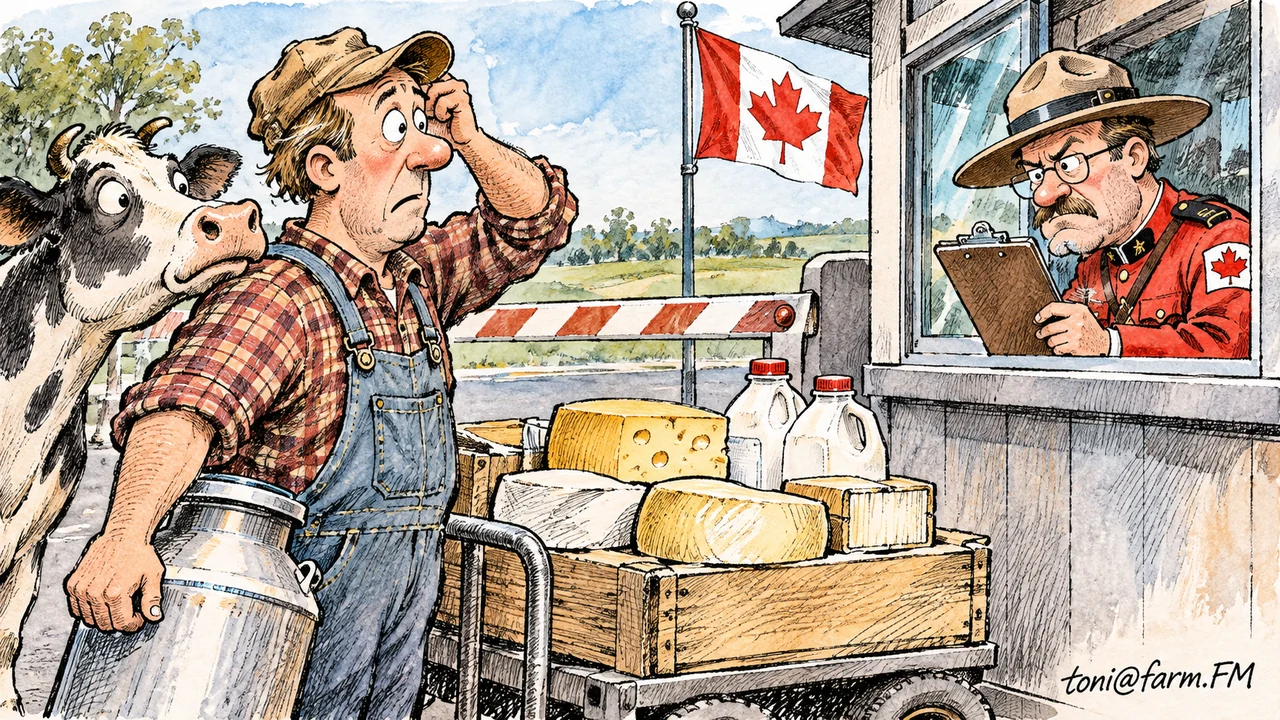
Why would anyone ask about dairy and Kenya?
Kenya has a lively smallholder dairy sector and a growing urban middle class, and that combination tends to attract exporters who see rising demand for packaged food. The question mark in the title is deliberate. Nobody should assume that a free trade agreement automatically opens a door for U.S. milk products.
Any claim about the state of talks, tariff schedules or specific commitments should be checked against the U.S. Trade Representative and the USDA Foreign Agricultural Service. Figures reported elsewhere are as reported, not confirmed here.
A good habit is to read the market the way a plant manager would. Look at who already supplies the country, how much of the market is cheap powder versus higher-value cheese, and how price-sensitive buyers are. Dairy exporters often compete mostly on price and reliability, so a new market that sounds big can turn out to be a thin-margin commodity business.
Which U.S. dairy products could fit an emerging market?
In many emerging markets, the products that travel best are shelf-stable and ingredient-oriented: milk powders, whey products and some cheeses with a long shelf life. Fresh milk rarely ships well over long distances, and local producers usually protect that segment.
That points to the processing side of the industry. Texas has plants that make cheese, powders and ingredients, and demand abroad can influence what those plants will pay for milk. The U.S. Dairy Export Council publishes market information that shows how exporters think about new regions.
Hypothetically, a plant that dries a lot of milk and sells powder might find a new buyer abroad without changing anything on the farm. The producer would only notice that demand for milk is a little firmer. That quiet, indirect effect is how most trade news reaches the barn.
What about the Kenyan farmers on the other side?
Any serious discussion has to include the counterargument. Local dairy farmers and cooperatives often fear that cheaper imports could undercut their prices, and governments sometimes keep tariffs or safeguards for that reason. Supporters of freer trade respond that consumers benefit and that processors can improve quality.
Fairness matters here, and so does honesty about what we do not know. A trade deal is a negotiated bargain, and dairy is often one of the most sensitive items on the table for the importing country.
There is also a development angle. Some countries use dairy to build rural incomes, and trade rules that ignore this can cause political backlash. Anyone writing about opportunity should respect that reality and avoid the tone of a sales pitch.
What practical barriers exist beyond tariffs?
Exporting to a new country is rarely just about duty rates. Health certificates, cold chain logistics, port handling, currency swings and payment terms all matter. The U.S. Customs and Border Protection outlines export documentation basics, and the International Trade Administration offers guidance for small and mid-sized exporters.
Even a seemingly open market can be difficult if the product cannot get from a Texas plant to a Nairobi shelf in good condition.
- Export certificates and plant approvals
- Cold chain and shipping time
- Currency and payment risk
- Local competition and consumer preference
How does this matter to a Texas producer?
For a dairy in the Panhandle, an African market is a long way off. The farm-level link is again through your buyer. Ask whether new markets are part of their plan, and whether that could change the pricing signals you receive. Meanwhile, risk programs like Dairy Margin Coverage can protect margins at home, subject to current terms at your FSA office.
If you want to understand the economics of scale behind exports, the dairy herd guide and our crop calendar resources can help you plan feed costs, which usually drive margins more than far-off markets.
Keep your own numbers sharp as well. Write down your cost per hundredweight, your feed costs and your debt payments, then ask what a lower milk price would do to each. That exercise is far more useful than any forecast of exports to a country thousands of miles away.
What is a sensible way to stay informed?
Follow official sources, skim a few viewpoints, and keep a healthy dose of patience. Congress tracks trade legislation through Congress.gov, and the USDA Economic Research Service publishes trade and market analysis.
On the lighter side, farm.FM covers the business of farming with a dry sense of humor. Try the agribusiness section and the farm news and satire page, plus a farm.FM piece on African trade and farming.
Sources and further reading
- USTR: U.S. Trade Representative
- USDA Foreign Agricultural Service: export markets and trade data
- U.S. Dairy Export Council: dairy exports
- U.S. Customs and Border Protection: import and export rules
- International Trade Administration: export help for U.S. businesses
- USDA Economic Research Service: farm economy data and analysis
Ask locally: Ask your milk buyer about export plans, and a Texas A&M AgriLife Extension economist how trade could affect regional pricing.