The Comprehensive and Progressive Agreement for Trans-Pacific Partnership (CPTPP) and U.S. Dairy
The United States helped shape the original Pacific trade deal and then stepped away from it. Other countries went ahead, and dairy exporters have been thinking about the consequences ever since.
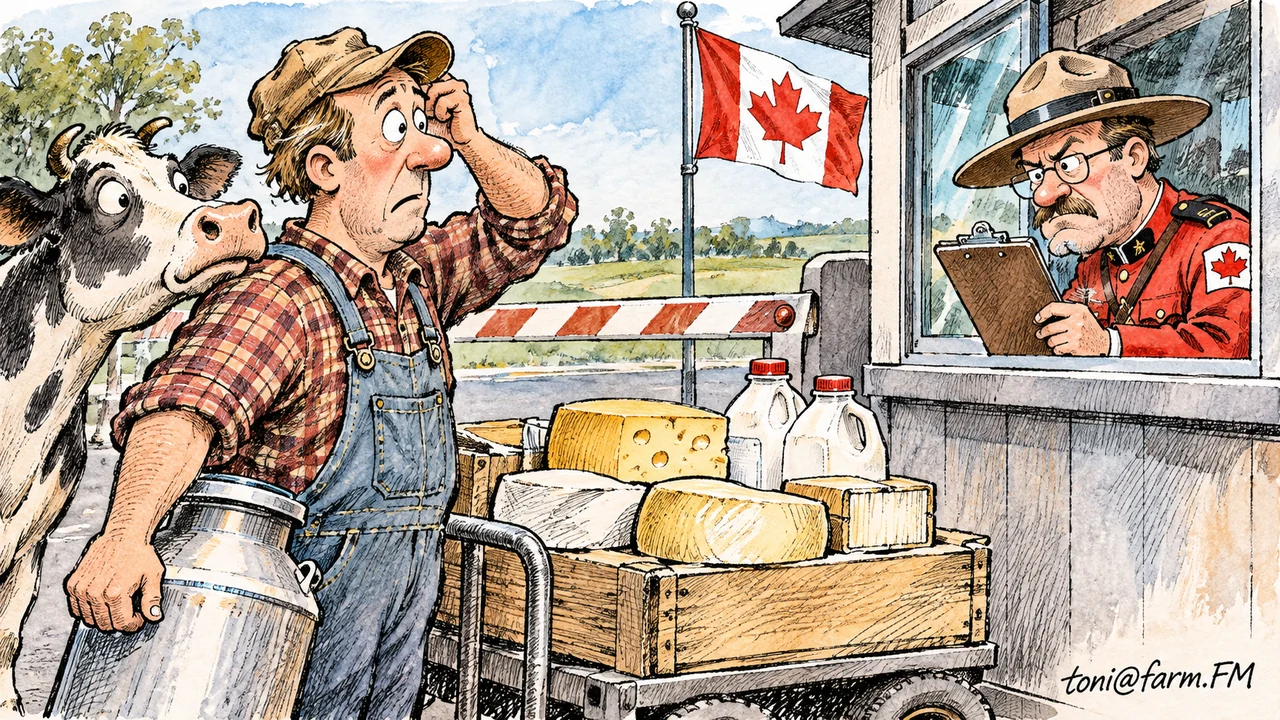
Why does CPTPP matter to an American dairy?
CPTPP is a trade agreement among a group of Pacific Rim countries that lowers tariffs and sets common rules among members. The United States is not a member. That means competitors from member countries can enjoy lower duties in some markets where U.S. products pay more.
Specific tariff schedules, membership and timelines change, so check the U.S. Trade Representative and USDA Foreign Agricultural Service pages rather than trusting a table you saw once. Any numbers you meet in news coverage are as reported.
A useful mental picture is a race where some runners start a few paces ahead. A tariff gap of a few percentage points sounds small, but dairy is a thin-margin commodity trade, and a few points can decide which supplier wins a contract. That is why exporters watch these differences so closely.
Which competitors have the most to gain?
Dairy exporters in Oceania are the usual names in this conversation, since they have long supplied Asian buyers and are strongly tied to Pacific trade. If their products enter a market at a lower duty than ours, they begin the race a few steps ahead.
That does not mean U.S. dairy cannot compete. American plants have scale, cheese expertise and strong ingredient products. But price gaps matter at the margin, and the U.S. Dairy Export Council reports regularly on where tariff differences are costing sales.
Europe is the other competitor to keep in mind, since it has its own web of agreements. The point for a Texas farmer is not to memorize who has what deal, but to understand that export prices are set in a crowded, global marketplace.
How would any of this reach a Texas producer?
Consider a plant in the Panhandle that makes cheese and whey. If a competitor gains an edge in one market, the plant may sell somewhere else at a lower price, or sell less. Either way, the plant's ability to pay for milk can tighten. In the other direction, a strong export year can firm up prices.
This is why it helps to ask your buyer about export exposure in simple terms. What share goes abroad? Which regions? What would they do if prices fell? Local Extension economists at Texas A&M AgriLife Extension can help interpret the answers.
Understanding your own cost structure is the first line of defense. The dairy herd and feed cost pages on our sister site are a starting point.
- Ask where your milk's products end up
- Ask how they hedge price risk
- Ask which customers matter most
- Compare their view with public market data
What do supporters and critics say about joining a bloc like this?
Supporters of U.S. participation argue that it would restore a level playing field, strengthen ties with allies and give farmers more stable access. Critics respond that large trade blocs can pull in standards or rules that farmers and workers dislike, and that bilateral deals may be more targeted.
Both sides have a case, and a thoughtful reader should hold the disagreement in view. The Congress.gov site is useful for checking whether any bills or resolutions on trade agreements are actually moving.
There is also a question of timing. Rejoining or negotiating a new arrangement can take years, and the dairy industry cannot wait that long to make business plans. Plants adapt by chasing different markets, changing product mix and cutting costs.
How do you track whether tariff gaps are hurting sales?
Public data helps. The U.S. International Trade Commission DataWeb system lets anyone view U.S. export values by product and country, and USDA Economic Research Service publishes dairy trade summaries. Compare year-over-year changes in the products your plant makes against export prices, and keep currency movements in mind.
Take care with percentages. A big jump from a tiny base is not the same as a large shift in volume. When in doubt, look at both the quantity and value tables.
If you are not a spreadsheet person, ask your co-op to share a one-page summary of its export markets each quarter. A good cooperative will gladly explain where the product goes and how trade rules are affecting the check.
What should a producer do while trade rules shift?
Keep your plan flexible. Know your breakeven, look at Dairy Margin Coverage for margin protection, and confirm current terms with your FSA office. If you borrow, test your repayment against weaker prices using the worksheets at this farm money guide.
For lighter takes on the trade business, farm.FM has a section on farm economics and a satire page that pokes fun at the jargon. A good matching read is a farm.FM story on Pacific trade and dairy. Texas export help is also available through the Texas Department of Agriculture.
Sources and further reading
- USTR: U.S. Trade Representative
- USDA Foreign Agricultural Service: export markets and trade data
- U.S. Dairy Export Council: dairy exports
- U.S. International Trade Commission: tariff and trade data
- USDA Economic Research Service: farm economy data and analysis
- Congress.gov: bills and legislative status
Ask locally: Your co-op's marketing staff and a Texas A&M AgriLife Extension dairy economist can explain how export tariffs feed back into the milk check.