The Dairy Tariff-Rate Quota Program: What Texas Exporters Need to Know
A tariff-rate quota sounds like pure trade jargon, but it decides whether a shipment of cheese or butter pays a small duty or a large one. Here is how the system works and how Texas exporters can check the current rules.
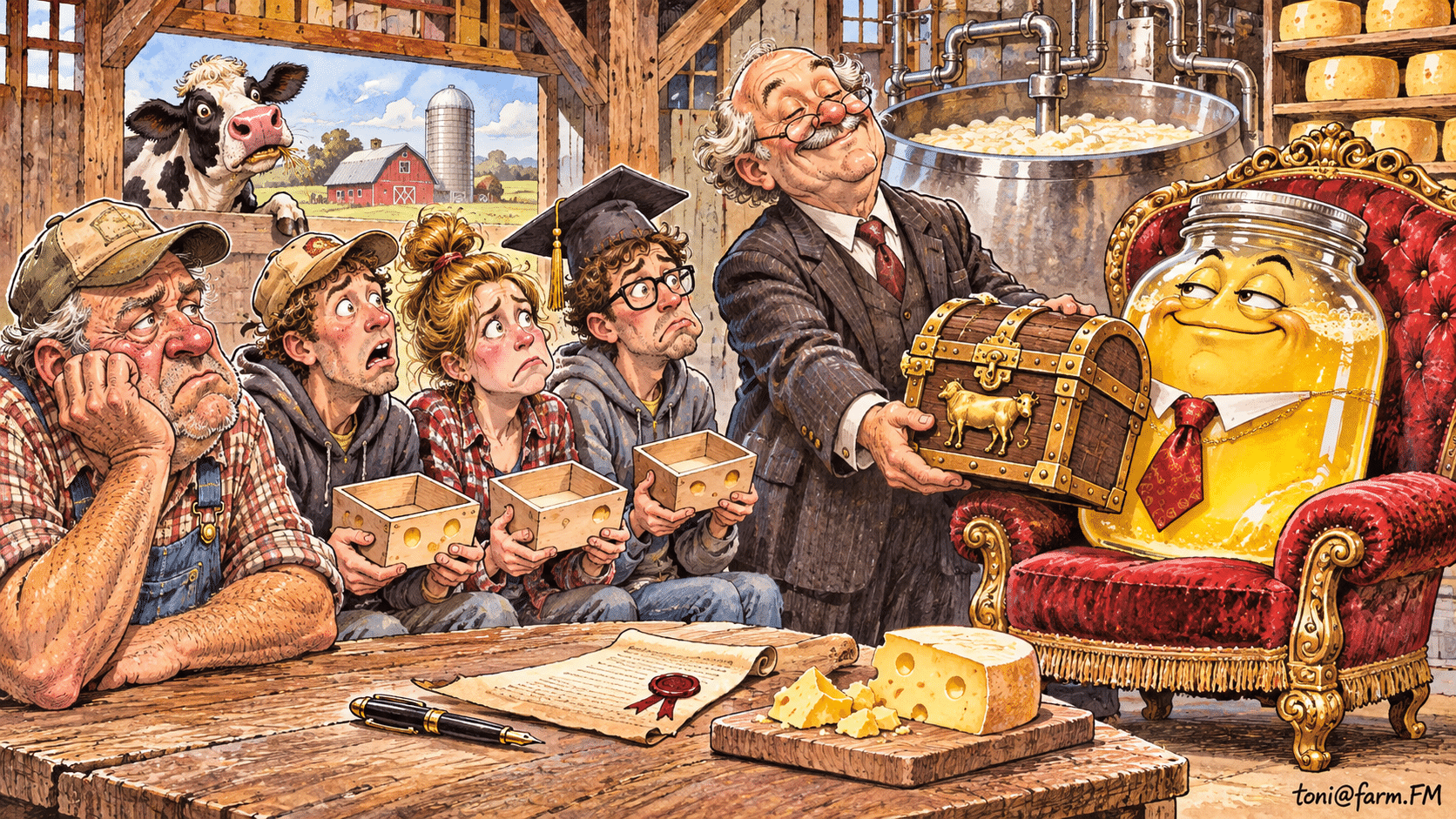
What is a tariff-rate quota in plain English?
A tariff-rate quota, or TRQ, sets two tariff levels for the same product. Goods that arrive within a set quantity pay a lower in-quota rate. Goods beyond that quantity pay a much higher over-quota rate. The quantity is the quota, and who gets to fill it is a separate rule.
For dairy, TRQs are common because many countries protect their own milk producers. The practical result is that a shipment can be easy to sell one month and expensive the next, simply because the quota filled up. Specific rates and volumes are set in trade agreements and national schedules, so check them at the official source rather than trusting a summary.
Why does the TRQ matter to a Texas exporter?
Texas processors that sell cheese, butter or milk powder abroad are often competing with suppliers from other regions that hold quota access. If your product is stuck in the over-quota bucket, the buyer's landed cost jumps, and orders slow down.
This is also why export managers watch quota fill rates. Even a small Panhandle plant can feel it if its distributor has to pass on a higher duty. The Office of the U.S. Trade Representative publishes agreement texts and quota information that explain which products fall under which rules.
A useful habit is to write down the product you actually sell, then find its quota line. Plenty of exporters skip this step and only learn about the over-quota rate after a customer pushes back on price. A fifteen minute check up front saves that conversation.
Who allocates the quota, and how?
Allocation methods differ. Some countries hand quota to importers on a first-come basis, some use licenses, and some auction access. The method changes who actually benefits and whether a U.S. exporter needs a specific partner on the other side.
Before you quote a price, ask your buyer who holds the quota licence and how it is administered. The International Trade Administration offers market research and country commercial guides that describe these systems in more detail, and its trade specialists can answer questions for U.S. businesses.
- Is the quota first-come, licensed or auctioned?
- Who holds the licence, the importer or the exporter?
- What happens to unused quota?
How do you check the current rules before you ship?
Rules move. Quotas are revised, trade agreements get reviewed and customs agencies update their schedules. A few quick checks protect you from a costly surprise at the border.
Look up the product's tariff classification first, since the wrong code can put you in the wrong duty bucket. The U.S. International Trade Commission runs a searchable tariff database, and U.S. Customs and Border Protection publishes guidance on export procedures and records.
- Confirm the product's tariff code
- Read the buyer country's current quota notice
- Ask your freight forwarder for a written duty estimate
- Keep copies of all certificates and invoices
What support is available for Texas exporters?
You are not on your own. The U.S. Dairy Export Council tracks market access issues and publishes trade notes, and the Texas Department of Agriculture lists export assistance resources for Texas food and ag businesses. Confirm current offerings with each office, since programs and funding change.
If your business also has questions about cash flow while you wait for shipments to clear, the basics in this farm money guide cover budgeting and working capital in general terms, and this dairy guide covers the herd side of the same operation.
Keep in mind that none of these offices can change a tariff rate for you, but they can tell you who can answer a specific question and what documents will be requested.
How do you keep TRQ news in perspective?
Trade headlines tend to swing between alarm and celebration. A quota being filled early may be good news for exporters, because it means demand is strong. A quota going unfilled may mean the market is soft or the rules are awkward. Context is everything.
For commentary with a lighter touch, the farm economics section at farm.FM covers the business side of agriculture, and the farm news and satire page offers a wry break. One farm.FM article on tariffs and dairy trade may help you picture the stakes.
Keep your own file of quota notices and tariff schedules with dates on them, so when a buyer asks why the duty changed you can answer with paper instead of memory.
Sources and further reading
- USTR: U.S. Trade Representative
- U.S. International Trade Commission: tariff and trade data
- U.S. Customs and Border Protection: import and export rules
- International Trade Administration: export help for U.S. businesses
- U.S. Dairy Export Council: dairy exports
- Texas Department of Agriculture: state agriculture agency
Ask locally: Ask your freight forwarder or customs broker for duty estimates, and a trade specialist at the Texas Department of Agriculture for programs.