The USMCA Review and Its Implications for Texas Dairy Trade
The USMCA review is the kind of event that moves quietly and then suddenly matters. Texas dairy sits right in the path, thanks to Mexico, so it helps to know what a review is and what to watch.
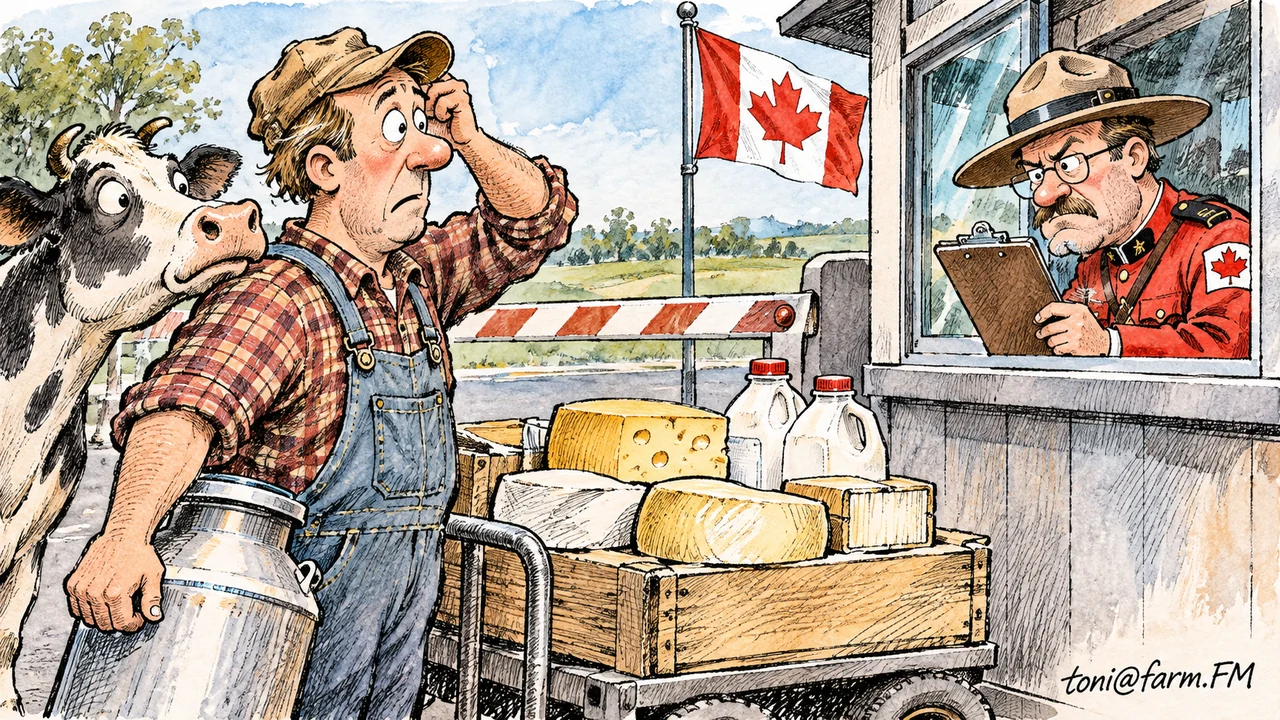
What is the USMCA review?
The United States-Mexico-Canada Agreement includes a scheduled joint review, a formal check on how the deal is working and whether the parties want to continue it as written or change it. The exact timing and process are spelled out in the agreement and on the USTR website, so confirm them there.
A review is not the same as a renegotiation, though a review can open the door to one. It is a structured moment when governments, industry groups and the public are asked to weigh in, which is why trade news tends to heat up around it.
Why does Texas dairy care?
Texas is a border state with a large dairy industry, and Mexico is a major customer for U.S. dairy products as reported. For a processor in the Panhandle, easy access to Mexican buyers can shape plant decisions, contracts and even how many cows the region can support.
Canada matters too, mostly because of the dairy quota dispute. If the review changes market access rules in either direction, the ripple can reach the milk check, though usually slowly and through the processor or co-op.
Border trade also depends on logistics. A trade agreement that works on paper still needs trucks, drivers, inspection staff and open crossings. When the review conversation turns to those practical bottlenecks, Texas has real experience to offer.
Which dairy issues usually come up?
Several themes tend to recur: how quotas are administered, rules about product names and labels, sanitary and inspection requirements, and the treatment of ingredient shipments. Each affects different parts of the industry.
The National Milk Producers Federation and the International Dairy Foods Association each publish positions on trade agreements, and they do not always agree. Reading both gives you a better sense of how farmers and processors may see the same rule differently.
- Quota administration and fill rates
- Labeling and naming rules for cheese and dairy terms
- Inspection and sanitary requirements
- Treatment of milk protein and ingredient shipments
How can a producer follow the review?
You do not need to read the whole agreement. Set up a simple routine: check official trade updates monthly, read your cooperative's newsletter, and note any dates when public comments are accepted. Congress.gov tracks any related legislation, and USDA's Foreign Agricultural Service reports on market effects.
If something looks relevant to your operation, bring it up at your co-op meeting or with your county extension agent. Collective voices carry more weight than one email.
Keep a small notes file with the date, the source and what you read. When a headline claims the review will change something, you can compare it with your notes and see whether it is new or simply repeated.
What should you do with the uncertainty?
Trade rules can shift with little warning, so plan for ranges, not forecasts. Build a margin cushion into the budget, and keep your accounts tidy so you can adjust quickly. The planning basics in this farm finance guide apply even if your connection to trade is indirect.
Dairy Margin Coverage is one federal tool some producers use to manage margin risk, though sign-up details and terms change, so check the current rules before relying on it.
The crop calendar guide is a reminder that farm planning always works in seasons. Treat trade review dates the same way: mark them, prepare ahead and revisit the plan after each milestone.
Where can you get a calmer take?
Trade policy is dense, and a break helps. The farm economics section at farm.FM covers business topics in a friendlier tone, and a farm.FM story on USMCA and dairy gives a looser view of the same subject.
When you want to compare notes with other readers, the farm news page is an easy place to browse. As always, use official sources for anything you plan to act on.
You can also ask a county extension agent to explain a trade provision you do not follow. That is part of the job, and agents often have a direct line to specialists.
Sources and further reading
- USTR: U.S. Trade Representative
- National Milk Producers Federation: dairy cooperatives and policy
- IDFA: International Dairy Foods Association
- USDA Foreign Agricultural Service: export markets and trade data
- Congress.gov: bills and legislative status
- Dairy Margin Coverage: FSA Dairy Margin Coverage program
Ask locally: Ask your cooperative's government relations staff, or a Texas A&M AgriLife Extension economist, how the review could touch your milk market.