The Comprehensive and Progressive Agreement for Trans-Pacific Partnership (CPTPP): Should the U.S. Join?
The CPTPP is a trade pact among Pacific-region countries that the U.S. does not belong to. Supporters and skeptics both make serious points, and dairy sits near the center of the debate.
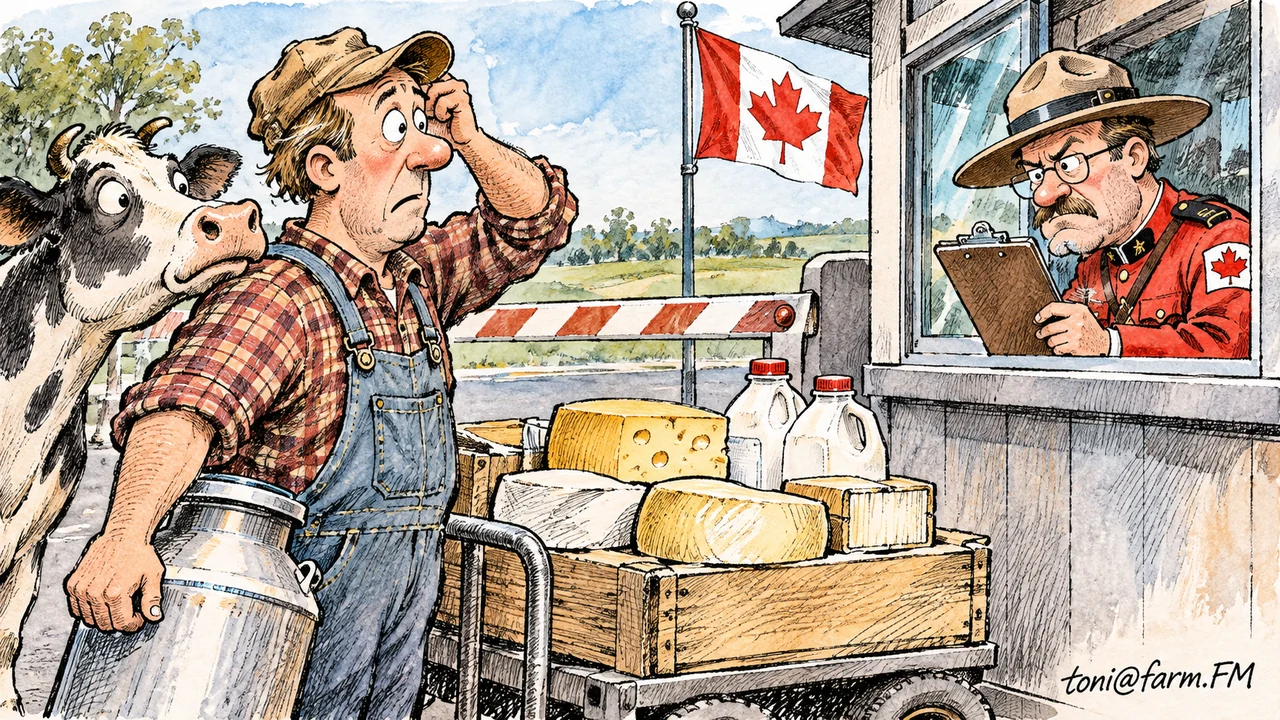
What is the CPTPP?
The Comprehensive and Progressive Agreement for Trans-Pacific Partnership is a trade agreement among a group of countries around the Pacific. Its members agreed to lower tariffs on many goods and follow shared rules on things like intellectual property, labor, and customs procedures. The U.S. helped negotiate the earlier version but did not join the current one.
Membership lists and terms evolve, so check the U.S. Trade Representative and Foreign Agricultural Service for what is official today.
Why do supporters want the U.S. to join?
Supporters argue that members enjoy lower tariffs on each other's goods, and U.S. exporters are at a disadvantage in those markets if competitors have the better deal. For dairy, they point to growing demand for cheese, powders and ingredients across Asia and the Pacific and say U.S. farmers should not watch rivals fill it.
They also argue that shared rules on food standards and customs make shipping simpler and more predictable. Groups such as the U.S. Dairy Export Council have explained why market access matters to the industry.
Supporters also say that membership gives the U.S. a seat when rules are written, so standards reflect American practice instead of someone else's. Whether that influence is real is part of the debate.
What do critics respond?
Critics respond with several concerns. Some worry that opening U.S. markets could expose certain producers to imports. Others argue that large trade pacts can include provisions on labor, the environment or regulatory authority that they do not want locked in. Some think bilateral deals would give the U.S. more bargaining power than joining a large group on someone else's terms.
There is also a disputed point about how large the gains would be. Estimates differ with assumptions, so look at figures as reported and check the underlying source, such as the U.S. International Trade Commission, before using them.
What would membership mean for Texas dairy?
Texas processes large volumes of cheese and powders, and exporters compete in the same markets the CPTPP covers. If members get lower tariffs on each other's dairy and the U.S. does not, a Texas plant faces a price gap. Joining would aim to close it, but it would also involve negotiating terms on imports into the U.S.
It is not just about tariffs. Product standards, labeling, geographic names for cheeses and inspection procedures all appear in these talks and can matter as much as the rate.
A hypothetical example: a processor with a long-term supply contract to a Pacific buyer could see its competitors undercut it if their tariffs drop and its own do not. That processor would favor joining. A smaller producer who sells locally might see more risk than reward. Both reactions are reasonable, which is why this debate does not break neatly along farm lines.
- Tariff differences between members and non-members
- Rules on product names and labeling
- Sanitary and inspection requirements
- Dispute resolution procedures
- Phase-in schedules for tariff cuts
How should a farmer weigh the argument?
Start with your own exposure. Do you ship milk to a plant that exports? Do you sell directly? Do you compete with imports on your own shelf? The answer shapes which argument matters most to you. Ask your cooperative or processor how they view the issue.
You do not have to pick a side to be informed. The Congress.gov site tracks legislation, and the House and Senate Agriculture Committees post hearings on trade.
Reading a trade agreement is a skill. Start with the summary for your product category, then the schedule of tariff cuts, then the rules on standards. You do not need to read all of it to learn what matters to your operation.
Where to read and keep learning
For general planning when markets are uncertain, see the farm money basics at this farm planning guide and the dairy herd basics at this dairy care guide. Producers who want to hedge sales risk can also read about futures on crop and market calendars.
Over at farm.FM, the agribusiness section and news coverage follow trade debates, and the story on Pacific trade and dairy gives a lighter read.
Sources and further reading
- USTR: U.S. Trade Representative
- USDA Foreign Agricultural Service: export markets and trade data
- U.S. Dairy Export Council: dairy exports
- U.S. International Trade Commission: tariff and trade data
- Congress.gov: bills and legislative status
- House Agriculture Committee: farm bill and ag policy in the House
Ask locally: Your cooperative's government affairs staff or a state trade office can explain how Pacific trade rules might affect your product.