The World Trade Organization and Dairy Trade Disputes
When two countries disagree over a dairy rule, one place they can take it is the World Trade Organization. The process is slower and narrower than most people expect.
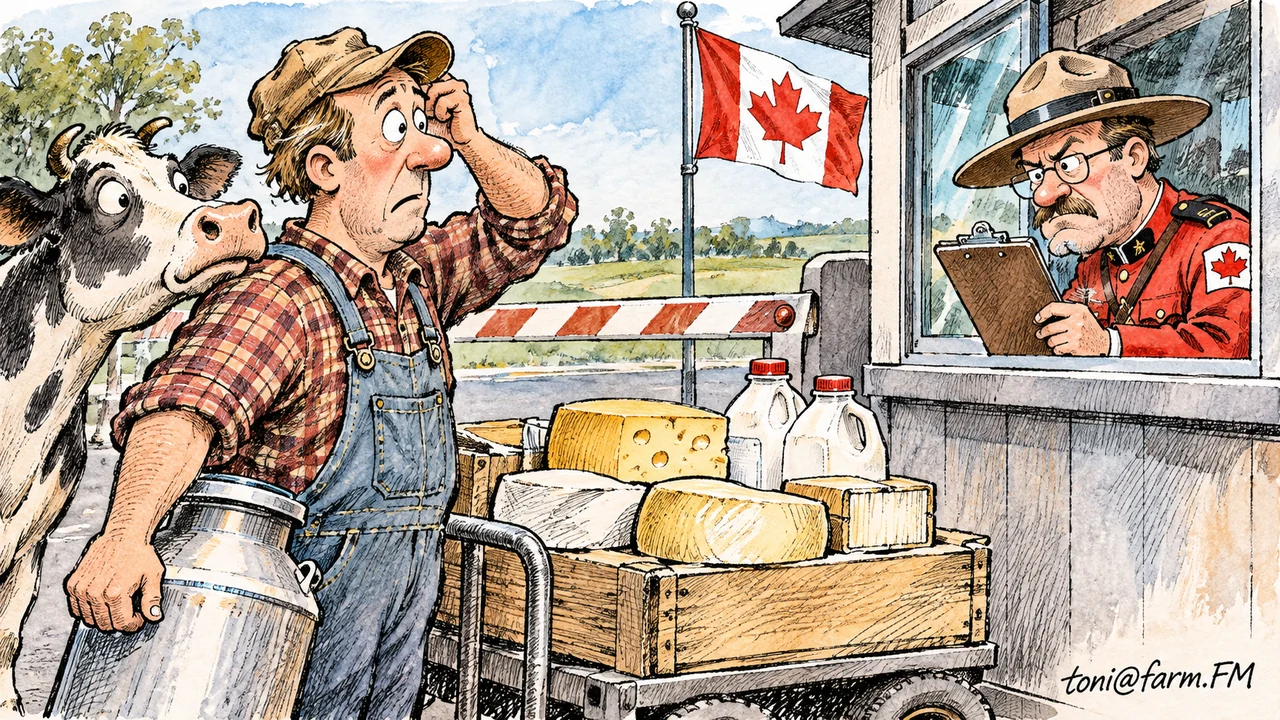
What does the WTO do when countries argue about dairy?
The World Trade Organization is a forum where member countries agree on trade rules and settle disputes about whether those rules were followed. If one government believes another is charging duties above its commitments, or using a food safety rule as a disguised barrier, it can start a formal complaint. The process begins with consultations, and many disagreements end there.
If talks fail, a panel of trade experts reviews the case and issues a report. Members can appeal, and the system has had periods where appeals were hard to complete, so timelines vary. Check the WTO's own pages for the current state of any specific case.
Think of the WTO as a rulebook and a referee, not a police force. It has no power to fine a country directly. What it can do is authorize the winning side to respond, usually through trade measures, if a losing country does not bring its rules into line.
Which kinds of dairy problems end up in dispute?
Dairy disputes tend to fall into a few families: tariffs above agreed levels, quota systems that limit how much can enter at lower rates, domestic support payments that tilt competition, and sanitary or labeling rules that block product without clear scientific reasons. Each family has its own legal tests.
Dairy is a recurring subject because many countries protect their domestic producers. The detail is in the schedules each country filed, and reading them is a job for trade lawyers rather than farmers.
- Tariffs and tariff-rate quotas
- Domestic support and export subsidies
- Sanitary and technical rules
- Licensing and administration of quotas
Who brings the case, and who pays for it?
Only governments file WTO complaints, not companies or farm groups. A producer group can lobby its government to act, and the U.S. Trade Representative decides whether to take a case forward. Industry organizations such as the National Milk Producers Federation and U.S. Dairy Export Council often supply evidence and argue that a rule is hurting sales.
Cases take real resources: lawyers, economists and years of work. That is one reason governments pick fights carefully.
What should a Texas exporter expect from a dispute?
A WTO case rarely helps a shipment this season. Even a clear win may lead to a negotiated compliance period, and the losing country may change its rules in a limited way. Exporters who need relief now should work with their buyer, broker and the Foreign Agricultural Service on practical solutions such as new certificates or alternative routes.
The case can still matter over time. A ruling that a rule was unjustified gives the winner bargaining power, and sometimes governments settle on better terms.
Be wary of anyone promising that a dispute will reopen a market by a given date. Outcomes depend on rulings, appeals, negotiations and politics, and nobody controls all of those.
How can you follow a case without drowning in jargon?
Pick one page and one summary source. The USTR posts statements on cases it brings or defends, and trade-focused outlets like Hoard's Dairyman summarize what rulings mean for dairy. Ask a simple question of every article: what exactly is being challenged, and what changes if the challenger wins?
Watch the dates. Trade stories often reuse old news, and a ruling from years ago is not a current event.
A hypothetical example: a plant hears that a foreign cheese quota is being challenged. The useful question is not who will win, it is whether the quota ever blocks my shipments. If your volumes never come close to the cap, the case may matter very little to you. If they do, it matters a great deal, and you should ask your buyer how the quota is administered.
Where does this fit in your farm plan?
Disputes are background noise for most day-to-day decisions, but they shape the long game for Texas dairy, since export markets affect plant demand and milk checks. Build resilience at home with a margin plan: the Dairy Margin Coverage program is a federal option worth discussing with your FSA office, and the sister page on farm money management covers cash cushions. For herd operations see dairy herd care.
Over at farm.FM, the agribusiness section and news section track trade fights, and a piece on a WTO dispute over dairy adds context. For state help, call the Texas Department of Agriculture.
Sources and further reading
- USTR: U.S. Trade Representative
- National Milk Producers Federation: dairy cooperatives and policy
- U.S. Dairy Export Council: dairy exports
- USDA Foreign Agricultural Service: export markets and trade data
- Hoard's Dairyman: dairy trade publication
- Texas Department of Agriculture: state agriculture agency
Ask locally: A trade attorney or your cooperative's policy staff can explain how a specific dispute might reach your product.