The Iran War’s Effect on Dairy Input Costs and Trade
When conflict flares in the Middle East, the first place most farmers feel it is the fuel and freight bill. This guide follows the links to dairy without quoting numbers we cannot verify.
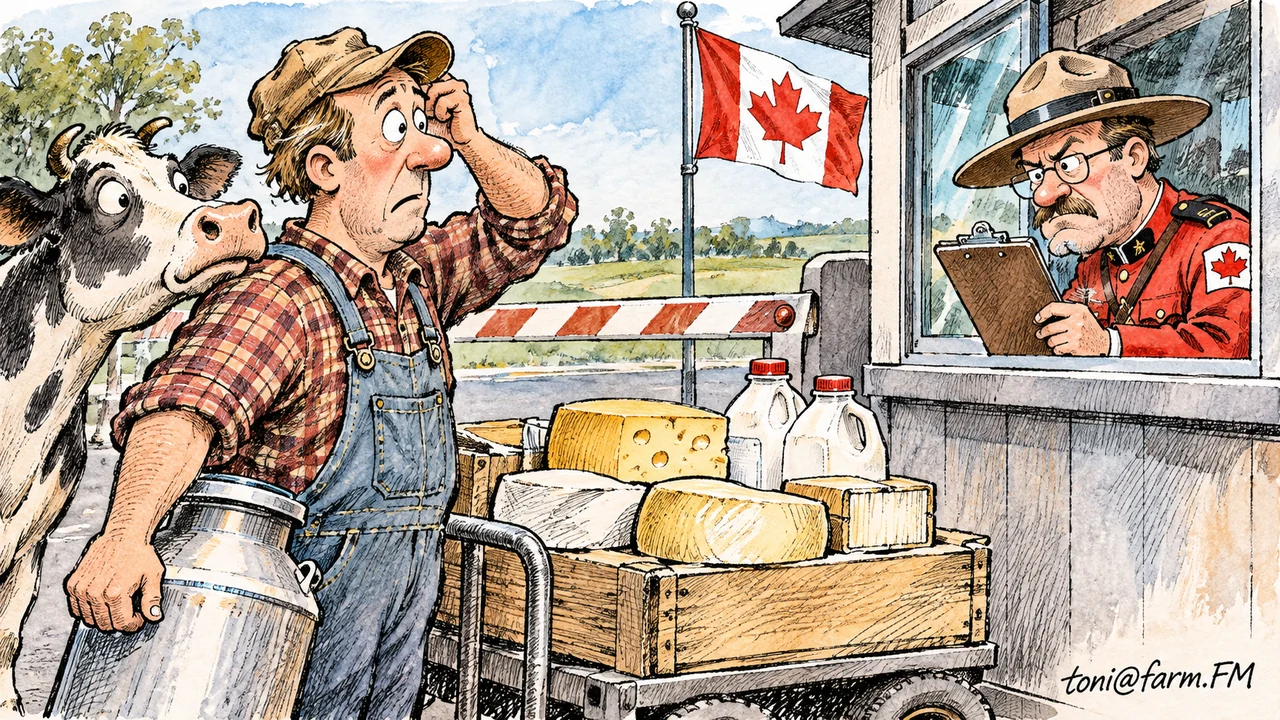
Why would a conflict in the Gulf region matter to a dairy?
The Gulf region sits at the center of world oil and gas supply and of important shipping lanes. Conflict or the threat of it can push energy prices up, raise insurance costs for ships and force rerouting. Those effects spread to diesel, fertilizer, plastics, packaging and freight, which all appear in a dairy's costs.
The headline refers to a specific war, and exact price moves and dates should be checked against official sources like the Economic Research Service and the Bureau of Labor Statistics. We explain the channels and leave the figures to them.
A Panhandle dairy buys diesel for feed hauling and fieldwork, power for milking and cooling, and fertilizer for silage ground. Each one is exposed in a different way.
How does it reach the farm?
Fuel is the most direct. When crude oil prices rise, diesel often follows, and feed and milk hauling costs rise with it. Fertilizer is next: nitrogen products depend on natural gas, and phosphate and potash move with their own supply chains. Plastics for bags, wrap and packaging also depend on petroleum.
A dairy usually buys many of these things at different times, so the effect is staggered. Price changes may show up in a supplier invoice weeks after the news. Check how your suppliers quote prices and whether they use fuel surcharges.
If you hold feed or fuel in storage, you are partly insulated for a while, but replacement cost still matters when you restock. Keep a simple log of what you paid and when, because it makes it much easier to explain a cost jump to a lender or a partner.
- Diesel for hauling and fieldwork
- Electricity and natural gas
- Fertilizer for silage and hay
- Packaging and plastics
What about milk and dairy product trade?
Dairy trade can be affected by shipping disruptions, by changes in the buying power of importing countries and by currency swings. Some Middle Eastern and North African countries are significant importers of dairy products, so conflict in the region can change demand or payment risk for exporters.
The effect varies by product and by buyer. Do not assume a single outcome. The Foreign Agricultural Service and U.S. Dairy Export Council publish market commentary that tries to sort it out.
It is also worth remembering that many dairies sell into domestic channels first. A cost spike hurts them through inputs even if no export order is involved, which is why local numbers matter more than headlines.
How can a Texas dairy prepare for input swings?
Start with a list of your top five inputs and who supplies them. Ask each supplier about price lock options, delivery contracts and surcharges. Consider whether forward buying makes sense for storage you already have, and compare the carrying cost with the risk.
Next, review your risk tools. Dairy Margin Coverage is one federal option, and its terms should be confirmed with FSA. Talk with your lender about how a cost spike would affect your operating line. This farm money guide describes simple budgeting methods.
Share what you learn with neighbors. Group purchasing of fuel or fertilizer can sometimes improve terms, and cooperative members often trade tips on which suppliers were fair during the last spike.
What should you avoid?
Avoid panic purchases at the top of a spike and avoid assuming that high prices will last forever or vanish overnight. History shows both patterns. Also avoid relying on a single news source. Compare reports from the USDA, university economists and your own suppliers.
If cash gets tight, talk to your lender early. Lenders generally prefer an early conversation to a missed payment, and the Texas Department of Agriculture or your local Farm Service Agency office can describe assistance programs that might apply.
Where can you follow along?
For commentary with some humor and plenty of farm sense, try farm news and satire at farm.FM and the economics page. There is also a farm.FM story on war and farm costs.
The equipment side of fuel costs is covered at this tractor and equipment guide. Our site is independent and relies on official sources for any figures.
Sources and further reading
- USDA Economic Research Service: farm economy data and analysis
- Bureau of Labor Statistics: labor and price data
- USDA Foreign Agricultural Service: export markets and trade data
- U.S. Dairy Export Council: dairy exports
- Dairy Margin Coverage: FSA Dairy Margin Coverage program
- USDA: U.S. Department of Agriculture
Ask locally: Ask your fuel and feed suppliers about price terms, and an Extension economist how input swings are affecting dairy budgets.