The Potential for a New Trade Deal with the UK
Trade talks make headlines long before they change a single shipping label. Here is what a UK deal would involve for dairy and how to follow it sensibly.
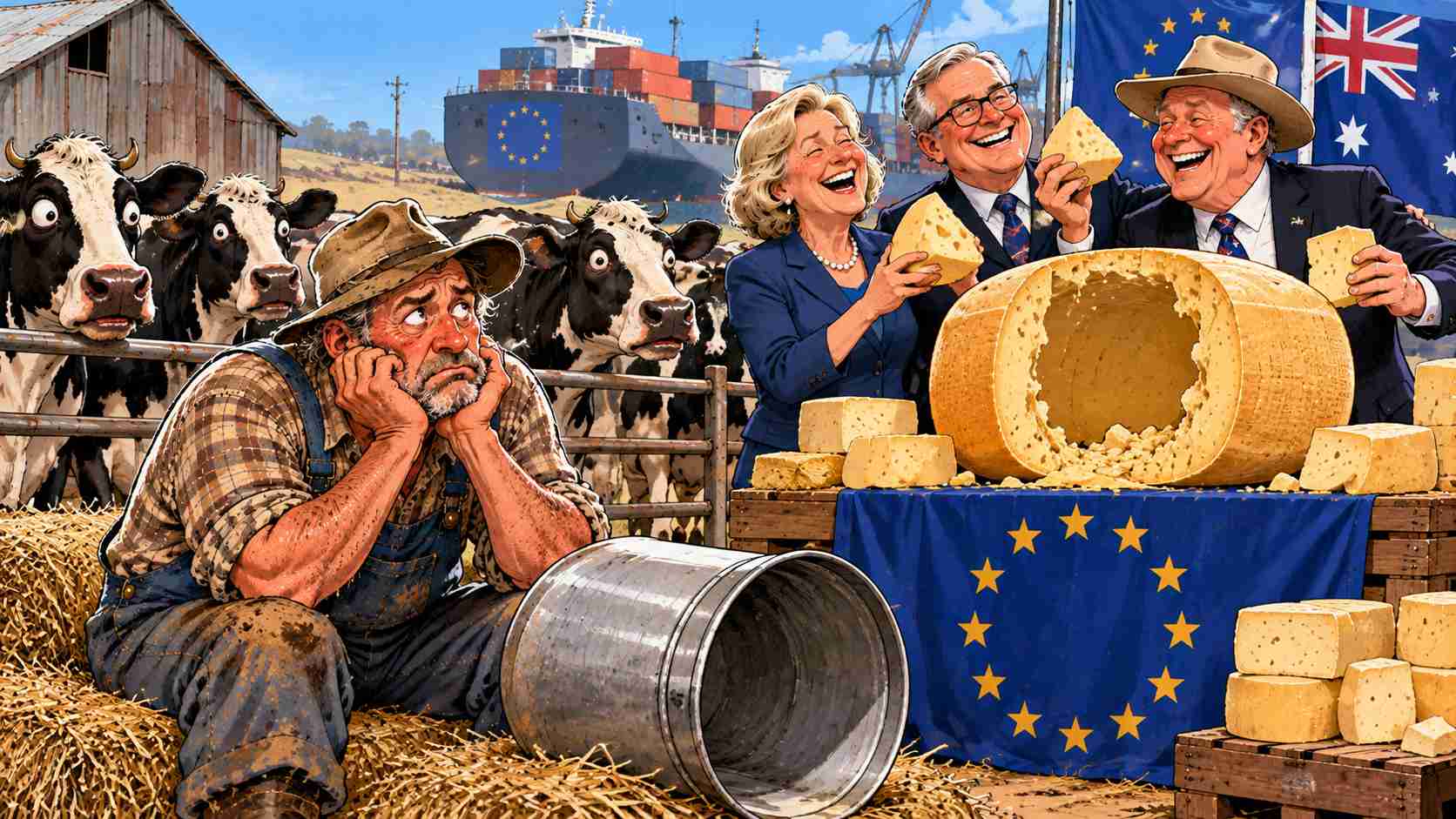
What would a trade deal with the UK actually cover?
A trade agreement is a negotiated set of rules on tariffs, quotas, product standards and paperwork between two governments. For dairy, the headline issues usually include whether cheese and other products get lower duties, how much volume can enter at reduced rates, and which food standards each side will accept.
The UK is a mature, quality-minded dairy market with strong domestic production and a loyal following for its own cheeses. U.S. exporters would be competing for shelf space on price, consistency or specialty appeal.
Why is dairy a sticking point in trade talks?
Both countries protect parts of their dairy sector. Producers on each side worry about being undercut, and officials have to balance those concerns against the gains for other industries. Food safety, labeling and production rules also come up, because different countries regulate dairy differently.
Supporters of a deal argue it would give U.S. farmers access to more customers. Critics respond that it could expose producers to competition without clear guarantees. Both positions are worth hearing before you decide what a deal would mean for you.
What details matter most to a Texas exporter?
Do not stop at the headline. The terms that move money are the tariff rate on your specific product, any quota size and how it is filled, rules of origin, and the certification paperwork required at entry. A deal that sounds generous can still leave a product out or cap it at a small volume.
Read the actual text or a trustworthy summary. The U.S. Trade Representative publishes negotiation updates and agreement texts, the Foreign Agricultural Service reports on market access, and Congress.gov tracks legislation that touches trade.
Pay attention to what is not in the headline. A deal can cut a tariff on cheese while leaving butter or milk powder untouched, or set a quota that fills in the first weeks of the year. The people who benefit are the ones who are ready on day one, with the right certificates, labels and buyer relationships already in place.
- Tariff rate on your exact product
- Quota volume and how it is allocated
- Rules for origin and labeling
- Health and certification requirements
- Start date and any phase-in schedule
How should you treat news about talks?
Early reports often describe goals, not outcomes. A deal announced in outline may take a long time to be written, approved and put into effect, and details can change along the way. Treat anything you read as a headline claim and check it against an official source before you rely on it.
A deal that has not been signed cannot be priced into a contract. Plan with what is in force today and keep an eye on timelines.
If a buyer says a deal will change everything, ask which line of which section, and when. Specifics are the cure for hype.
How can Texas producers prepare without overspending?
Preparation can be inexpensive. Learn the UK's import requirements for your product category, keep your food safety records tidy, and talk to a broker about what a UK shipment would involve. Product that already meets strict standards is ready for more markets.
The U.S. Dairy Export Council and International Trade Administration have market guides, and the Texas Department of Agriculture can point to state export help.
A hypothetical example: a Panhandle cheese plant that already exports to one overseas buyer has a head start, because its paperwork and cold chain are proven. A plant that has never shipped abroad would start with a freight forwarder and a single small trial order, not a big commitment, and learn from it.
Where can you follow along?
Keep a short list of reliable pages and check them monthly. Industry groups such as the National Milk Producers Federation explain how negotiations affect dairy farmers, and a sister page on dairy herd management covers the farm side while this farm finance guide covers planning around uncertain income.
Over at farm.FM, the agribusiness coverage and farm satire sections handle trade news with a lighter touch, and a read on a UK trade deal is a fun companion.
Sources and further reading
- USTR: U.S. Trade Representative
- USDA Foreign Agricultural Service: export markets and trade data
- Congress.gov: bills and legislative status
- U.S. Dairy Export Council: dairy exports
- National Milk Producers Federation: dairy cooperatives and policy
- International Trade Administration: export help for U.S. businesses
Ask locally: A trade specialist at your state agriculture office can explain how a pending agreement might reach your product.