The Future of Texas Dairy in a Globalized World
Texas dairy has been growing for years, and the Panhandle sits at the center of that growth. The next chapter will be shaped by water, processing capacity and how well the state's plants compete in a global market.
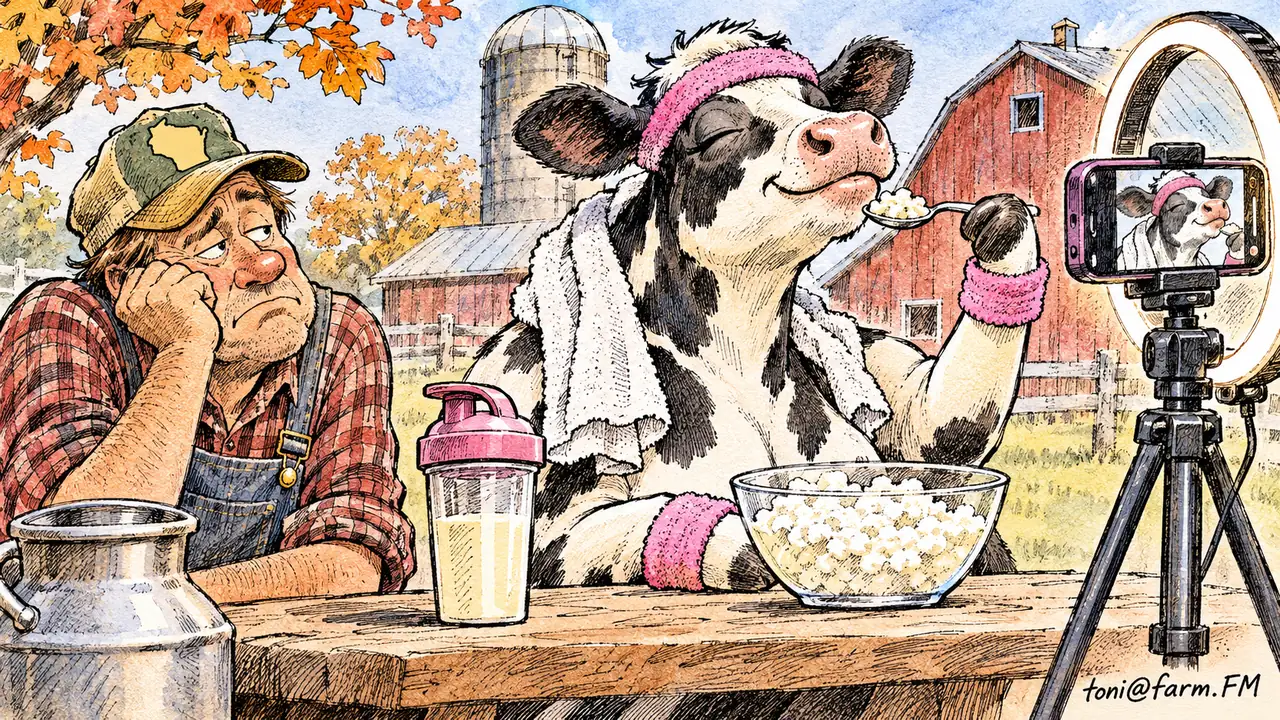
Why does globalization matter to a dairy in Dumas?
Milk is local, but dairy products are traded worldwide. When a plant makes cheese, whey or powder, its price depends partly on what buyers abroad are paying. That is the channel through which a faraway drought, a trade rule or a currency swing can reach a farm in the Texas Panhandle.
This article is about trends and questions, not predictions. We state no new statistics, and any figure you see elsewhere is as reported and should be checked at sources such as the USDA NASS and the USDA Economic Research Service.
Think of the global market as a tide. It does not decide which boat you are, but it affects how high the water is. Farmers who understand the tide can plan better than those who ignore it.
What will shape the next decade of Texas dairy?
Five forces stand out: water supply, feed costs, processing investment, labor and trade conditions. None is unique to Texas, but all are strong here. The Panhandle relies on the Ogallala aquifer, and water planning is a long-term issue. The Texas Water Development Board publishes planning resources, and Drought.gov tracks conditions.
Processing investment draws milk and, in turn, helps support more dairies. Plants make large commitments based on expected supplies and markets, which is why trade policy matters.
Labor is easy to overlook. Dairies need dependable, skilled workers, and rules about employment and immigration are in flux. The U.S. Department of Labor publishes guidance on federal labor requirements.
- Water availability and planning
- Feed costs, especially corn and forage
- Processing capacity and product mix
- Labor availability and rules
- Trade conditions and exchange rates
What are the opportunities?
Texas has room, feed access and a growing set of plants. It also has a location that gives easy access to Mexico and the Gulf ports. If global demand for protein, cheese and ingredients keeps growing, plants here are well placed to supply it.
Technology also helps. Better herd monitoring, feed efficiency and water reuse can improve margins. The Texas A&M AgriLife Extension team offers research-based guidance, and the dairy herd care guide on our sister site covers many of the fundamentals.
Another opportunity lies in specialty and value-added products, from local cheese to grass-fed or organic lines. They are not for everyone, but they can offer a route to higher returns for the right operation.
What are the risks?
Concentration is one. A region that depends on a few big plants is exposed if one of them has trouble. Trade disputes, disease outbreaks and rising input costs are others. And water may be the biggest long-run issue.
Animal health is also an export issue: a disease event can close markets overnight. The Texas Animal Health Commission and USDA APHIS publish animal health information and rules that every dairy should know.
A hypothetical example: a plant that makes one product depends heavily on that market. If a trade dispute hits, it has little room to adapt. A plant with a diversified mix can shift production, and that flexibility helps the farms that supply it.
How do supporters and skeptics see the future?
Optimists argue that Texas dairy can keep growing, supported by efficient large operations, new plants and strong global demand. Skeptics respond that water limits, volatile margins and trade risks could slow the trend, and that smaller dairies may struggle to keep pace.
Both views have merit, and the right answer will differ by farm. A small or mid-sized dairy can find a niche, while a large one can seek scale. The key is a plan that matches your resources.
How can a producer prepare?
Know your cost of production. Build cash reserves. Keep up with Dairy Margin Coverage and confirm current terms with your FSA office. Invest in efficiency where the payback is clear, and talk with your buyer about long-term plans. The farm money guide can help you stress-test a plan.
For a lighter look at the farm future, farm.FM has an agribusiness section and a satire page, plus a farm.FM story about the future of dairy farms. State help is available from the Texas Department of Agriculture.
Above all, keep learning. The dairy industry has changed enormously within a lifetime, and the producers who adapt tend to stay in business.
Sources and further reading
- USDA NASS: agricultural statistics and surveys
- USDA Economic Research Service: farm economy data and analysis
- Texas Water Development Board: water planning and funding
- Drought.gov: national drought information
- Texas A&M AgriLife Extension: Texas extension service
- Texas Animal Health Commission: animal disease rules
Ask locally: Ask a Texas A&M AgriLife Extension specialist about water and herd efficiency, and your plant about long-term milk needs.