The Trans-Pacific Partnership and Texas Dairy: What If?
Trade deals are easy to argue about and hard to picture. This what-if walks through how a Pacific agreement could touch Texas dairy, and how to think about any such deal before the claims start flying.
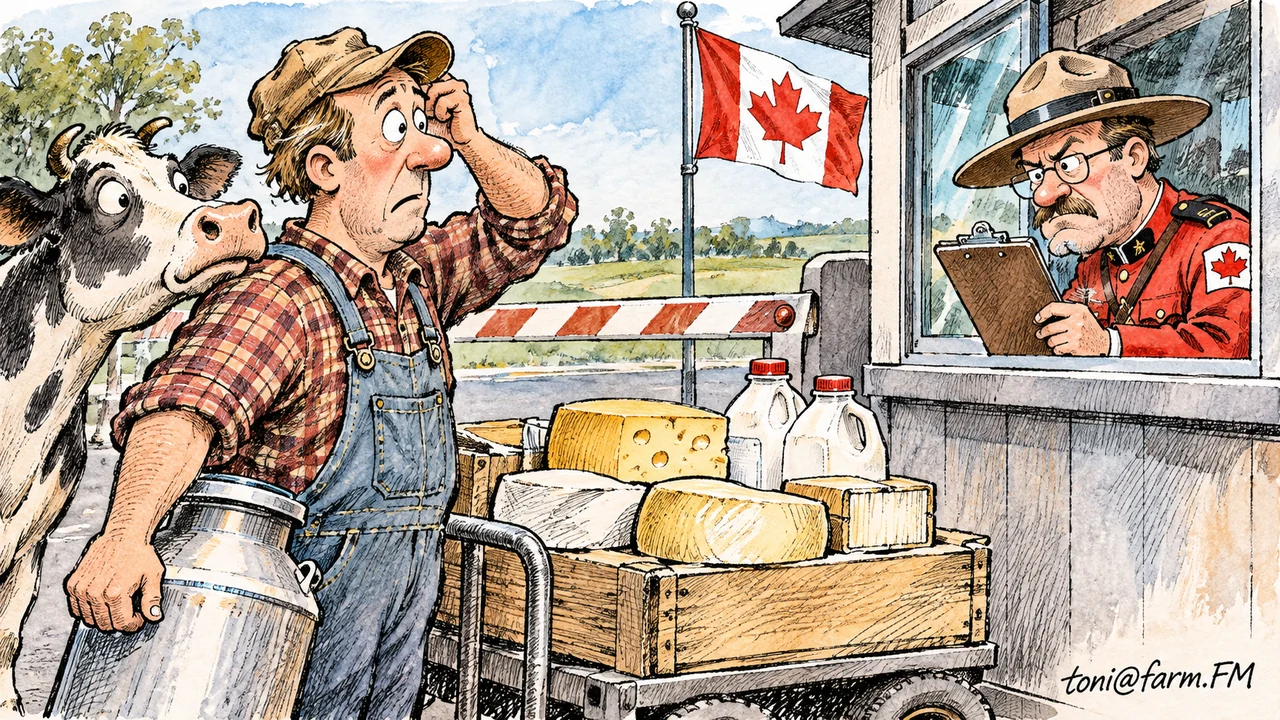
Why ask a what-if question about trade deals?
Hypotheticals are useful because trade agreements change the rules for years, and nobody gets a do-over. Asking what could happen under different versions helps a producer judge the stakes without pretending to know the outcome.
The title poses a hypothetical, so nothing here predicts what will or will not be signed. For the actual status of any Pacific trade arrangement, go to the U.S. Trade Representative and the agreement text itself, not to a summary.
Consider how a farmer plans a crop: you look at the soil, the forecast and the price, and you decide knowing some things could go wrong. Trade policy deserves the same humility, with ranges instead of single guesses.
What does a typical trade pact change for dairy?
Most agreements adjust tariffs, quotas, sanitary rules and dispute procedures. For dairy, the headline fights tend to be about whether a country lowers its tariffs, how big a quota is, and whether names for cheeses are protected. Each piece can raise or lower the price a buyer pays.
Gains rarely arrive all at once. Tariff cuts are often phased in over years, which means a processor may see only small effects at first and larger ones later. Reading the phase-in schedule is as important as reading the headline rate.
Sanitary and inspection provisions can matter as much as tariffs. A shipment that waits at a port for a certificate is losing shelf life, and agreements that smooth those procedures can be quietly valuable.
How might Texas dairy feel a Pacific deal?
Texas processors that make ingredients such as whey and milk powder could gain if Asian-Pacific buyers lowered their barriers. Cheese makers might benefit if new quota access opened, though competitors from other exporting countries would also be lined up.
A Panhandle dairy would feel it indirectly, through the processor's sales and the milk price. A hypothetical gain does not guarantee a bigger check, since feed costs and domestic demand matter too.
Another hypothetical: if a Pacific buyer reduced its tariff on whey, the first effect would likely be a little more demand for ingredient products, which could firm the plant's returns. Whether that reaches the milk check depends on how the co-op or handler passes it along.
- Ingredient makers: possible new buyers
- Cheese makers: depends on quota access
- Dairy farms: indirect and slower effect
What are the risks and trade-offs?
Every deal has winners and losers. Opening a market to U.S. dairy often means opening the U.S. market to other products, which can raise competition at home. Industry groups such as the National Milk Producers Federation and the International Dairy Foods Association sometimes weigh those trade-offs differently.
Read both. A balanced view shows where farmers, processors and consumers see the same deal through different lenses, and why a policy that suits one group can worry another.
Dairy is also political in many countries, which makes concessions hard. That is why dairy sometimes becomes the last sticking point in a negotiation.
How do you evaluate any trade deal claim?
Use a short checklist. Who benefits, by how much, and when? What does the agreement text actually say? What do independent analysts at the U.S. International Trade Commission estimate? Is the claim a forecast or a measured result?
If a claim has no source, treat it as an opinion. If it has a source, open it. Congress.gov tracks legislation that implements trade deals, and USDA's Foreign Agricultural Service reports on market effects.
Keep a folder with the dates and sources of every claim you read. It is surprising how many headlines change quietly after the first story.
What should a Texas producer do in the meantime?
Work on what you control: cost per hundredweight, milk quality, a healthy balance sheet and a good relationship with your handler. Those help in any trade scenario. The farm money guide covers budgeting basics, and the dairy care guide covers herd management.
A lighter read can help, too. The farm economics stories on farm.FM are friendly, and the satire section keeps perspective. One farm.FM article on trade deals and dairy fits the theme.
If the topic stresses you out, remember that producers have adapted to trade swings before. Steady management beats worry.
Sources and further reading
- USTR: U.S. Trade Representative
- U.S. International Trade Commission: tariff and trade data
- National Milk Producers Federation: dairy cooperatives and policy
- IDFA: International Dairy Foods Association
- Congress.gov: bills and legislative status
- USDA Foreign Agricultural Service: export markets and trade data
Ask locally: Ask your cooperative's policy staff or a trade specialist at your state farm bureau how past agreements affected dairy.