The Impact of Climate Change on Global Dairy Trade
Weather decides how much milk the world produces, and milk supply decides who sells to whom. That is the path from climate to trade, and it runs through every dairy region.
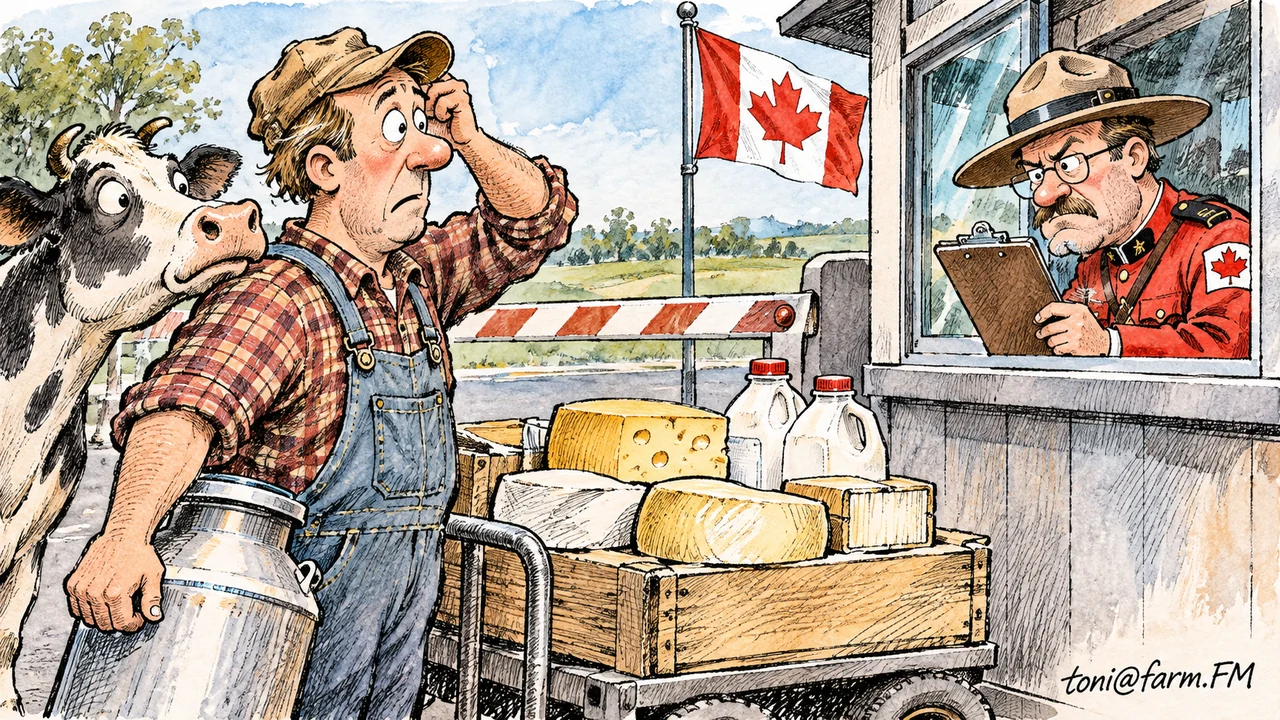
How does weather reach the trade map?
Milk production depends on cow comfort, feed and water. Heat stress lowers intake and output, drought raises feed costs, and floods can disrupt farms and roads. When a major exporting region has a poor year, global supply tightens, prices move and buyers look elsewhere. When another region has a bumper year, the reverse happens.
Over time, shifts in typical weather patterns can change where dairying works well and what it costs. Scientists and agencies publish projections, and you should read them from their original sources, such as NOAA, rather than from summaries.
What does this mean for feed and water?
Feed crops are sensitive to rainfall and temperature, and feed makes up a large share of the cost of producing milk. A drought year can raise prices for hay, corn and silage, hitting dairies even if their own fields are fine. Water supply is a separate constraint, especially where irrigation is essential.
In the Texas Panhandle, much farming depends on groundwater and irrigation. The Texas Water Development Board publishes planning information, and the U.S. Drought Monitor shows current conditions.
Hay and silage supply can tighten regionally even when national numbers look fine, and Texas buyers sometimes pay more for freight than for the feed itself. Locking in part of next year's feed early, when it makes financial sense, steadies the budget.
- Feed prices swing with rainfall
- Irrigation depends on water availability
- Heat stress cuts milk output
- Storms and floods disrupt logistics
How does heat affect cows?
Dairy cows are comfortable in a fairly narrow temperature range, and heat stress reduces feed intake, milk yield and fertility. Dairies use shade, fans, sprinklers and ventilation to cope, and nutrition changes help too. The cost of these measures becomes part of the cost of milk.
Your veterinarian and nutritionist can tailor a heat plan. For general guidance on herd care, see the dairy herd care guide, and for weather alerts follow the National Weather Service.
A hypothetical example: a dairy adds shade structures and misting over the loafing area. The up-front cost is real, but if it protects milk output and conception rates in a hot summer, the payback can come in a season or two. Run the numbers for your own herd with a nutritionist or advisor before you invest.
Does climate change trade rules too?
Possibly. Some countries are adding environmental requirements to their food import rules and some buyers ask for data on emissions, water or energy use. Producers may need to measure and report more. Treat these as emerging conditions to monitor, and check official sources for specifics instead of assuming.
Supporters of stronger climate rules argue that they protect long-term supply and meet consumer demand. Critics respond that rules can add costs and burdens on farmers, and may shift production rather than reduce emissions. Both arguments are part of the discussion.
What can Texas dairies do?
Practical steps include improving cow cooling, planning feed purchases ahead, diversifying forage, tracking water use and having a drought plan. Risk tools matter too: review crop insurance for feed crops and Dairy Margin Coverage for margins, and ask your lender about reserves.
NRCS conservation programs may help with water and soil practices, and AgriLife Extension offers education. Check current program terms directly.
Insurance and margin programs cannot stop a drought, but they can soften its financial impact. Read the terms, especially what is covered and when you must sign up, since deadlines are firm. Your local FSA and crop insurance agent can walk you through them.
Where to follow the story
Climate and trade topics are covered across agricultural media. Over at farm.FM, the farming stories and dairy stories touch on weather and cows, and a story about heat and drought on dairy farms fits this theme. For budgeting through lean years, see the farm money guide.
Keep your own weather and production log. After a few years you will see how heat waves and dry spells show up in your cows' output and your feed bill, and that record is the best planning tool you have.
Sources and further reading
- NOAA: climate and weather science
- Texas Water Development Board: water planning and funding
- U.S. Drought Monitor: weekly drought maps
- National Weather Service: forecasts and warnings
- USDA Risk Management Agency: crop insurance
- USDA NRCS: conservation programs and technical help
Ask locally: Your veterinarian, nutritionist and extension agent can help you build a heat and drought plan.