The Gold Key Program: Matching Texas Dairy with Foreign Buyers
Meeting the right foreign buyer can save a year of guessing. Matching services exist to arrange those meetings, and preparation decides whether they pay off.
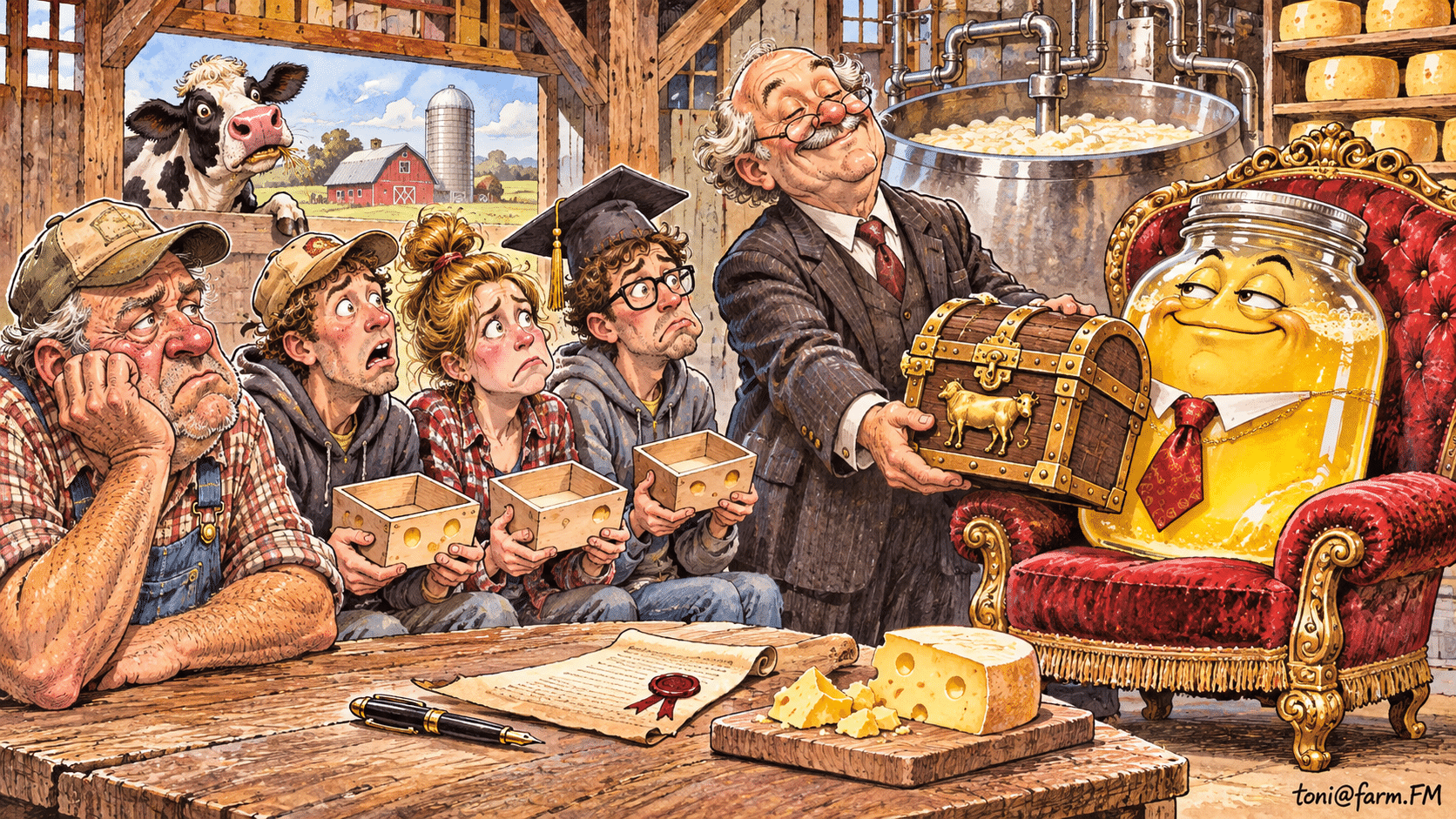
What does a buyer matching service do?
The idea behind a matching service is straightforward. Staff overseas screen potential partners such as importers, distributors and agents, then set up meetings for a company that wants to enter the market. The federal International Trade Administration is where the Gold Key name comes from, and the official page lists current terms and fees.
We are an independent site, so use ours as background and check the agency for what is offered today.
Is it a fit for dairy?
Dairy is a regulated, cold chain product, so the match has to account for import permits, labeling, shelf life and logistics. A good screening should confirm the partner has handled dairy before and knows the rules of the destination country.
Products with a longer shelf life, such as cheese, butter, powders and whey, tend to travel more easily than fluid milk. A creamery in the Panhandle might have a better first shot with an aged cheese than with a perishable product.
How do you prepare for a screened meeting?
Bring samples if rules allow, a spec sheet, pricing logic framed as a starting point, and answers to the obvious questions about volume and lead time. Learn the basics of the market in advance. The Foreign Agricultural Service publishes country reports, and the U.S. Dairy Export Council shares market intelligence.
Make sure the person in the meeting can speak to quality, not only sales.
- Product specs and certificates
- Volume and lead time you can honestly commit to
- A named contact for follow-up questions
What can go wrong?
A matched partner may be interested but lack the right import license. A buyer may want exclusivity you are not ready to grant. A price may look fine until freight, tariffs and currency are added. Never sign an exclusive agreement on the spot, and read contracts with an attorney who knows international trade.
Payment risk matters too. Ask your bank about ways to protect against non-payment, and see the U.S. Customs and Border Protection guidance for export documentation.
How does cost compare to doing it alone?
Doing your own research costs time, travel and many cold emails. Paying a matching fee costs money but saves some of that. The honest answer depends on your size and the market. Get the current fee in writing and compare it with what an in-country consultant would charge.
The Texas Department of Agriculture may also know whether state support offsets any of it. Our farm money guide can help you think through the budgeting.
What cultural details and timelines should you expect?
Buyers notice effort. A translated spec sheet, a note about holidays that affect shipping, and an understanding of how buyers in that market prefer to communicate go a long way. Small courtesies build trust, and trust matters when a shipment is delayed or a label needs fixing.
Ask your matched contact what to expect about negotiation style and meeting etiquette. The USDA Economic Research Service publishes market analysis that can give context on consumer preferences, and the dairy section at farm.FM is a good place to see how the industry talks about its own customers.
From the first meeting to a first shipment can take months, especially for dairy where approvals and facility listings may be required. Plan your cash flow for a long runway. If your matched partner promises results in a few weeks, ask what is different about your product and get the details in writing. Keep records of every conversation and shipment so the second market is easier than the first.
What should you do after the meeting?
Follow up within days, send what you promised and keep notes. If a buyer asks for a sample shipment, treat the paperwork as seriously as a full order. Keep a log of each contact so you can see patterns over time.
For a lighter take on the rituals of business meetings, browse the satire at farm.FM and a farm.FM story about finding buyers. Our dairy guide covers the herd and plant side of quality.
Sources and further reading
- International Trade Administration: export help for U.S. businesses
- USDA Foreign Agricultural Service: export markets and trade data
- U.S. Dairy Export Council: dairy exports
- U.S. Customs and Border Protection: import and export rules
- Texas Department of Agriculture: state agriculture agency
- USDA FSIS: meat, poultry and egg product safety
Ask locally: Ask the trade specialists at the federal export office and an attorney familiar with international sales agreements.