The Texas Dairy Trade Mission: A Recap
A trade mission recap tells you who went, who they met and what was promised. What it often leaves out is what happened next, which is the part worth checking.
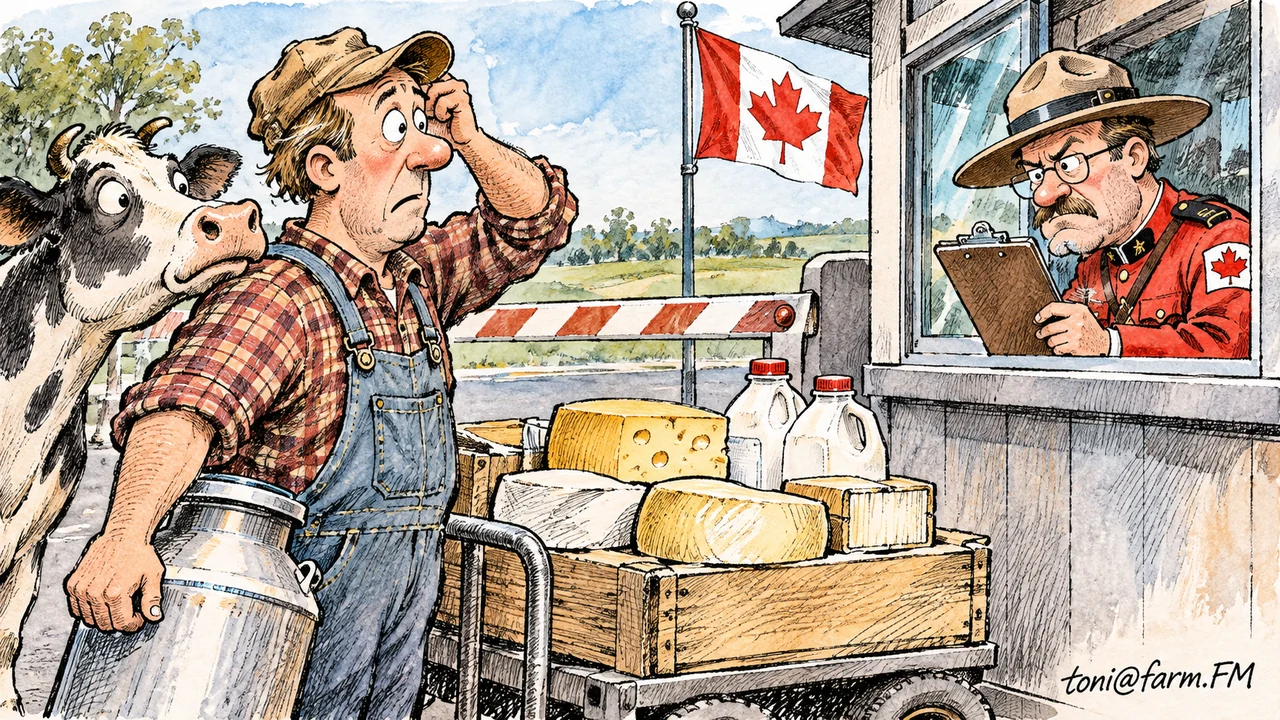
What is a trade mission, in plain terms?
A trade mission is an organized trip, usually led or supported by an agency or industry group, that takes producers and processors to meet buyers, distributors and officials in a foreign market. The idea is to compress months of cold calls into a few days of scheduled meetings.
This site's recap headline refers to a Texas dairy mission. Because details such as destinations, dates and participants should come from the organizers, check them against the official announcement from the Texas Department of Agriculture or whichever group ran the trip.
How should you read a recap with a skeptical eye?
Good recaps name the markets, the product categories discussed and the follow-up steps. Weak ones list enthusiastic quotes and handshake photos. Look for whether samples were left, whether buyers asked for specifications, and whether anyone mentions import rules and labeling.
It also helps to separate relationship building from sales. A first mission is usually the first, and a second or third trip is where orders appear. That is normal, and it is worth setting expectations accordingly if you are thinking of joining.
- Which products were actually discussed?
- Were buyers or only officials in the room?
- What follow-up was promised, and by whom?
What do the follow-up numbers tell you?
Trade data lags, so a mission rarely shows up in statistics right away. The Foreign Agricultural Service and its trade data pages let you track exports of dairy categories over time, and the U.S. International Trade Commission publishes tariff and trade tools.
Remember that dairy exports move for many reasons at once: exchange rates, competing milk supplies and tariffs. One mission will not explain a trend, so be careful about crediting any single event.
What would joining cost you in time and money?
Missions cost more than the registration fee. Count travel, sample shipping, translated materials, staff time away from the farm or plant, and the time to follow up after you return. Ask the organizers what support, if any, offsets those costs, and whether current terms are posted anywhere.
If cash is tight, a lower cost step is a virtual meeting or a booth shared with other Texas companies. The practical budgeting ideas at this farm money guide apply just as well to a trip as to a tractor.
How do you prepare so the trip pays off?
Arrive with a product sheet, certificates the market is likely to ask for, a realistic price range framed as a starting point, and a person who can answer technical questions. Know your production capacity, because the worst outcome is promising volume you cannot supply.
Talk to your cooperative or processor before you commit. They may already have relationships you can use, and they will know what the export documentation involves. The U.S. Dairy Export Council can also explain what buyers in a target region usually want.
What if you cannot join a mission yourself?
Most farms never will, and that is fine. You can still learn from the recap by asking which of your processor's or cooperative's customers might have been in the room, and whether any new interest could affect the milk checks or contracts you work under. The National Milk Producers Federation tracks how export demand shapes producer returns, and the weekly dairy market reports show price moves over time.
If you simply want to stay informed, subscribe to updates from the agencies that run missions, and keep a short file of recaps you read. After a year you will see which markets keep coming up, and that is a useful signal for planning. The crop planning guide shows a similar habit for seasonal decisions, and the same notebook approach works for trade.
When a new mission is announced, compare it against the last one. Look at the markets, the product focus and the stated goals. If the target region changed, ask why. If the sponsor changed, ask what that means for support. Small details usually tell you more than the headline.
Where else can you follow the story?
For ongoing coverage with a lighter touch, browse the dairy stories at farm.FM and the wider news and satire section. There is also a farm.FM story on a dairy trade mission that fits the theme.
Our site is independent and does not run missions. We just help explain them in plain English, from Dumas.
Sources and further reading
- Texas Department of Agriculture: state agriculture agency
- USDA Foreign Agricultural Service: export markets and trade data
- U.S. International Trade Commission: tariff and trade data
- U.S. Dairy Export Council: dairy exports
- International Trade Administration: export help for U.S. businesses
- USDA Dairy Market News: weekly dairy price reports
Ask locally: Ask the staff who organized the mission, and your cooperative or processor representative, what happened after the meetings.