The U.S.-EU Trade Disputes: Boeing, Airbus, and Dairy
Dairy farmers had nothing to do with building jets, yet in trade disputes agriculture often ends up on the list of retaliation targets. The Boeing-Airbus fight is a clear example of how that works.
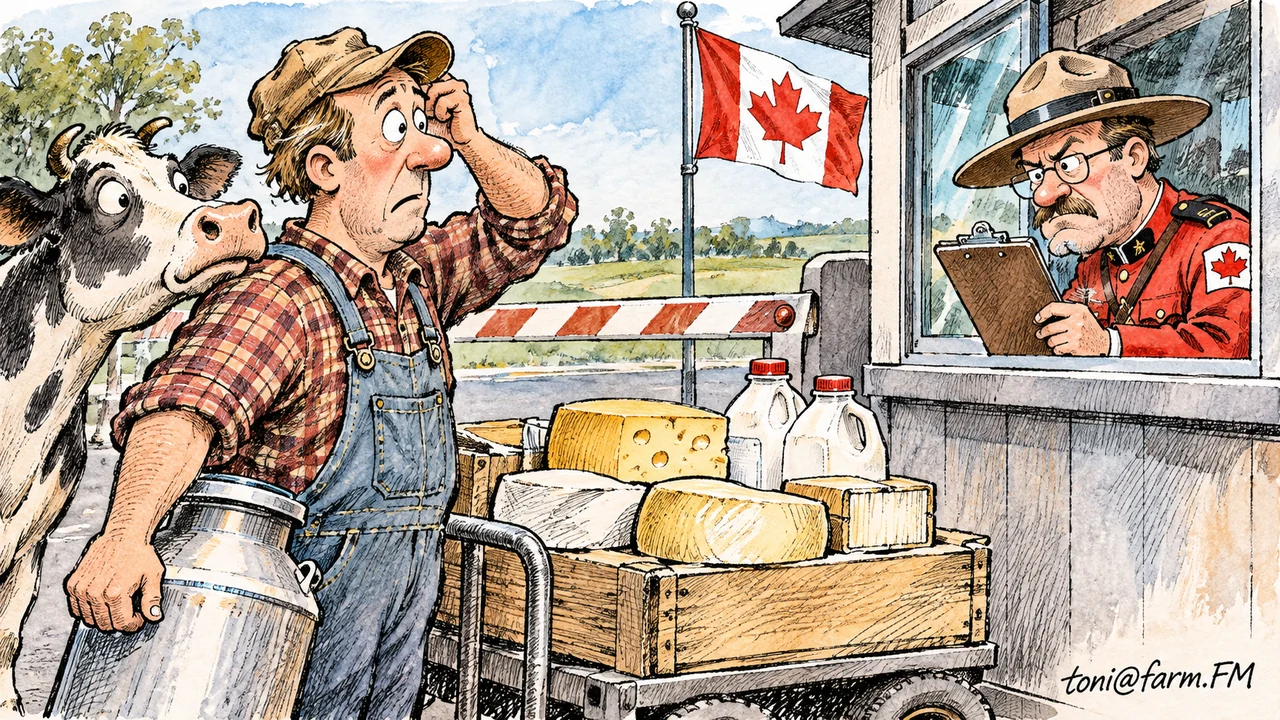
Why would an aircraft dispute touch dairy?
When two trading partners argue over subsidies or other practices in one industry, the rules of international trade allow, in some cases, for the affected side to impose duties on a list of the other side's products. Governments often choose items that are politically visible and easy to replace, and agricultural goods, including cheese and butter, appear on many such lists.
That is the logic behind the title: a dispute about planes can end up affecting dairy. Details of any specific tariff list, rates and dates must be checked at the U.S. Trade Representative and the U.S. International Trade Commission, and figures in news coverage are as reported.
Dairy is attractive as a target because products like cheese have close substitutes and consumers can switch, so the tariff does its job without causing shortages. For farmers, that logic is cold comfort. Their products become bargaining chips in a fight they did not start.
How does retaliation work in practice?
A government publishes a list of products and a proposed duty, takes comments, and then applies the duty on a set date, sometimes adjusting the list as talks move. Importers pay the tax when goods cross the border, and the cost usually flows through prices to the buyer.
The U.S. Customs and Border Protection explains how duties are collected, and the Federal Register publishes the notices behind them. If you are an importer or distributor, those are the sources your broker will use.
Lists can also change when negotiations move, which makes planning difficult. A plant that wins a contract in one quarter may find the economics different the next. Exporters often build price clauses into contracts to share the risk.
- A product list is published
- Comments are taken
- A duty takes effect on a date
- Lists can be suspended, widened or removed
Who pays when dairy gets caught in the middle?
Both sides pay in different ways. Importers who bring in European cheese face higher costs and may pass them on to shoppers. U.S. exporters can face retaliatory duties in Europe on American products, which can shut them out of shelf space that took years to build.
For a plant in Texas that sells ingredients into Europe, a sudden duty can change the economics overnight. The U.S. Dairy Export Council regularly reports on how trade disputes affect exporters.
A hypothetical case: a Texas ingredient maker has a regular customer in Europe. A new duty raises the landed price, and the customer buys from a European supplier instead. Even if the duty is later removed, the customer may not return quickly.
What do supporters and critics of retaliation say?
Supporters argue that retaliation gives governments influence to settle a dispute and holds trading partners to the rules. Critics respond that farmers and consumers who had nothing to do with the original argument end up bearing the cost, and that retaliation can cause lasting damage to export relationships.
This is a real and unsettled debate, and each case differs. Reading a few independent reviews, such as those from the GAO and USDA Economic Research Service, helps separate rhetoric from measurement.
How could this affect a Dumas dairy?
The effect would be indirect and hard to isolate. If a trade dispute reduces demand for a product your plant makes, the plant might look for new customers or adjust pricing. Co-ops often manage such shocks by shifting product mix.
Check how exposed your processor is to the European market, and ask how they handled past disputes. The Texas A&M AgriLife Extension team can add local context, while dairy herd management basics remind us that cost control is the lever farmers control most.
Also keep an eye on feed and fuel costs, which can move for reasons unrelated to dairy trade. A farm that tracks costs month by month is better able to tell whether a margin squeeze is from trade or from somewhere else.
What should a producer do about trade shocks?
Think of tariffs as weather: you cannot stop them, but you can prepare. Keep cash reserves, understand your risk tools such as Dairy Margin Coverage (confirm terms with FSA), and check this farm money guide for ways to build a buffer.
If you want the humor with your economics, farm.FM runs a farm satire section and an agribusiness page that cover trade tangles. A related read is a farm.FM story on tariffs and cheese. The Texas Department of Agriculture is another good source for state-level trade information.
When tariff news hits, avoid panic decisions. Call your buyer, check the official notices, and compare against your budget. Most of the time the right move is a careful adjustment, not a dramatic change.
Sources and further reading
- USTR: U.S. Trade Representative
- U.S. International Trade Commission: tariff and trade data
- U.S. Customs and Border Protection: import and export rules
- U.S. Dairy Export Council: dairy exports
- GAO: government watchdog reports
- USDA Economic Research Service: farm economy data and analysis
Ask locally: Ask your processor how exposed it is to European sales, and your Extension economist how past trade disputes changed regional prices.