The U.S.-Australia Trade Relationship: A Competitor Analysis
Australia sits close to Asia's fastest-growing dairy buyers and has a long record of exporting. It also lives with drought, heat and water limits that make its dairy sector a study in resilience.
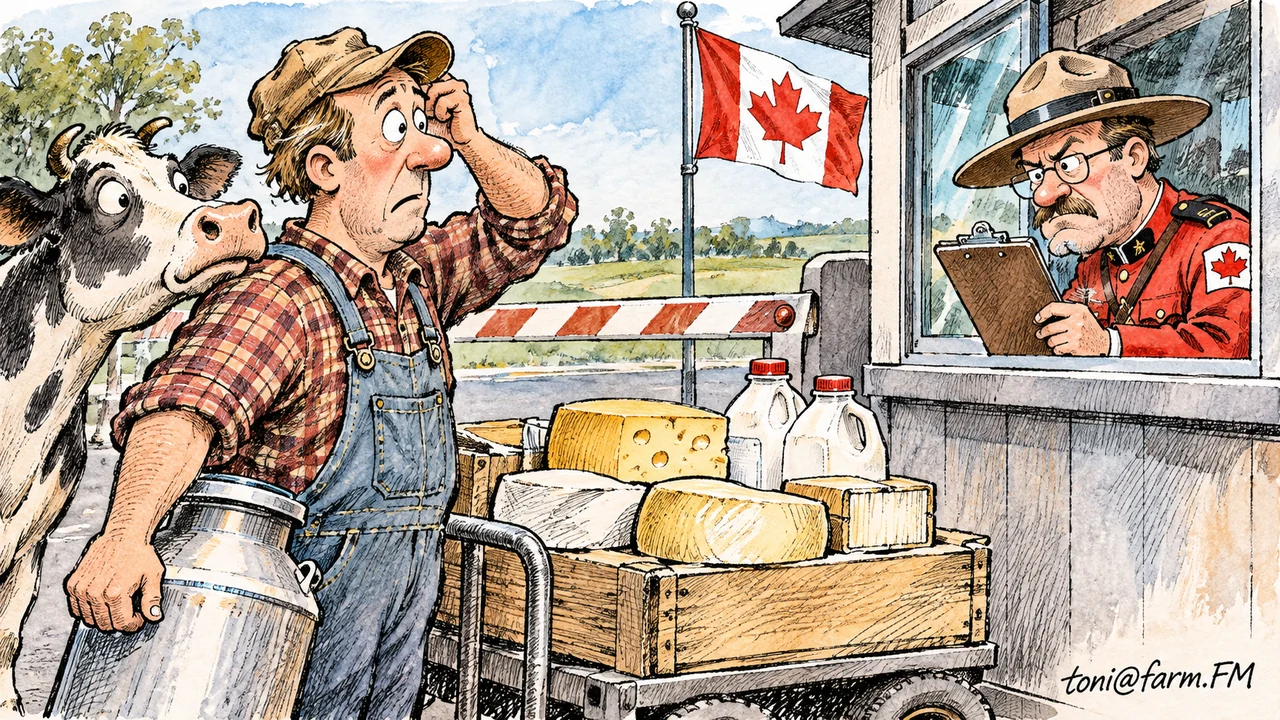
What kind of dairy competitor is Australia?
Australia is a smaller producer than the largest dairy nations, but it exports a meaningful share of what it makes and sits within reach of Asian buyers. Its dairy regions are mostly in the cooler southeast, where rainfall and irrigation support pasture and feed.
This is a framework article, so it avoids production rankings and quotes no new statistics. For current data on output and trade, use the USDA Foreign Agricultural Service and USDA Economic Research Service, and treat numbers in other coverage as reported.
The sector has seen consolidation, with fewer and larger farms and changing ownership of processors. Those shifts affect how it competes. When you read about Australian dairy, notice how often the word variable appears. Rainfall, temperature and water allocations differ widely between regions, and a story that says Australia is booming or struggling is usually describing one corner of a diverse country.
How do drought and water shape the picture?
Water is the central risk. In dry years, pasture growth falls, feed prices rise and irrigation water can become expensive or scarce. Some producers respond by feeding more grain and hay, or by reducing herds.
For a Texas reader, this will sound familiar. The Panhandle depends on the Ogallala aquifer and weather swings, and both Australia and Texas dairies live with water as a constraint. The Drought.gov site and the Texas Water Development Board are good places to learn about water planning on the Texas side.
A hypothetical example: two dry years in a row push feed prices up and force some farms to cull. Milk supply tightens, world powder prices rise, and a Texas plant that sells powder sees better margins. Months later, the farm sees it as a slightly firmer milk check. Nobody in Dumas did anything, yet the check moved.
- Pasture growth drives milk output
- Water costs affect feed and irrigation
- Herd reductions follow dry spells
- Producers diversify feed sources
Where do Australia and the U.S. compete?
Most direct competition is for Asian customers of cheese, milk powders and some specialty products. Australia's closeness to Asia helps with shipping time and cost. U.S. plants counter with scale, product variety and strong ingredient technology.
Trade agreements matter, since preferential tariffs can tilt the field. Check the U.S. Trade Representative for official information on agreements with Australia and other partners. The U.S. Dairy Export Council has market briefs that compare suppliers.
Shipping distance also matters. A shipment from Melbourne to Southeast Asia is a short hop compared with a trip from the Gulf Coast. U.S. exporters therefore need to make up the difference in price, quality, product range or service.
Does Australia also buy from the United States?
Trade is a two-way street. Australia imports some food products, including dairy items, and U.S. exporters sometimes find openings in niche products. Competitors can also be customers, and each country's food rules and import protocols shape those flows.
The U.S. Customs and Border Protection pages cover export procedures that apply to shipments to any country.
Quarantine and biosecurity rules are strict in Australia, which can slow imports. The USDA APHIS site explains the U.S. side of animal health certification for exports.
What does it mean for a farm near Dumas?
Practical effects are indirect. Weather trouble in Australia can tighten the world market for milk powder and butterfat, which supports prices for plants in Texas. A good production season there can have the opposite effect. Either way, your milk check follows the plant's results.
Build resilience of your own: manage feed costs carefully, keep cash reserves, and review risk tools like Dairy Margin Coverage with FSA to confirm current terms. Our dairy herd management guide and farm money planning pages can help you structure a plan.
What do supporters and critics say about foreign competition?
Supporters of open trade say that competition raises quality and lowers consumer prices, and that U.S. dairy can win in markets where its strengths count. Critics respond that farmers cannot be asked to compete against subsidized or lower-cost rivals without support.
That debate will continue, and honest observers can see merit on each side. For independent views, the Government Accountability Office publishes reports on trade and agriculture.
For a lighter take, farm.FM has an agribusiness section and satire page worth a look, plus a farm.FM story on Australia and dairy. Texas export help is available from the Texas Department of Agriculture. As ever, keep it in proportion. Competitor reading is useful, but the largest lever on your own profit is still how you manage your herd, feed and debt.
Sources and further reading
- USDA Foreign Agricultural Service: export markets and trade data
- USDA Economic Research Service: farm economy data and analysis
- Drought.gov: national drought information
- Texas Water Development Board: water planning and funding
- USTR: U.S. Trade Representative
- U.S. Dairy Export Council: dairy exports
Ask locally: Ask a Texas A&M AgriLife Extension dairy specialist how water and drought planning compare between Texas and other dry dairy regions.