The Risk of Trade Disruptions: A Contingency Plan for Texas Dairies
A trade disruption rarely announces itself. A good contingency plan, written on a quiet day, turns a crisis into a checklist.
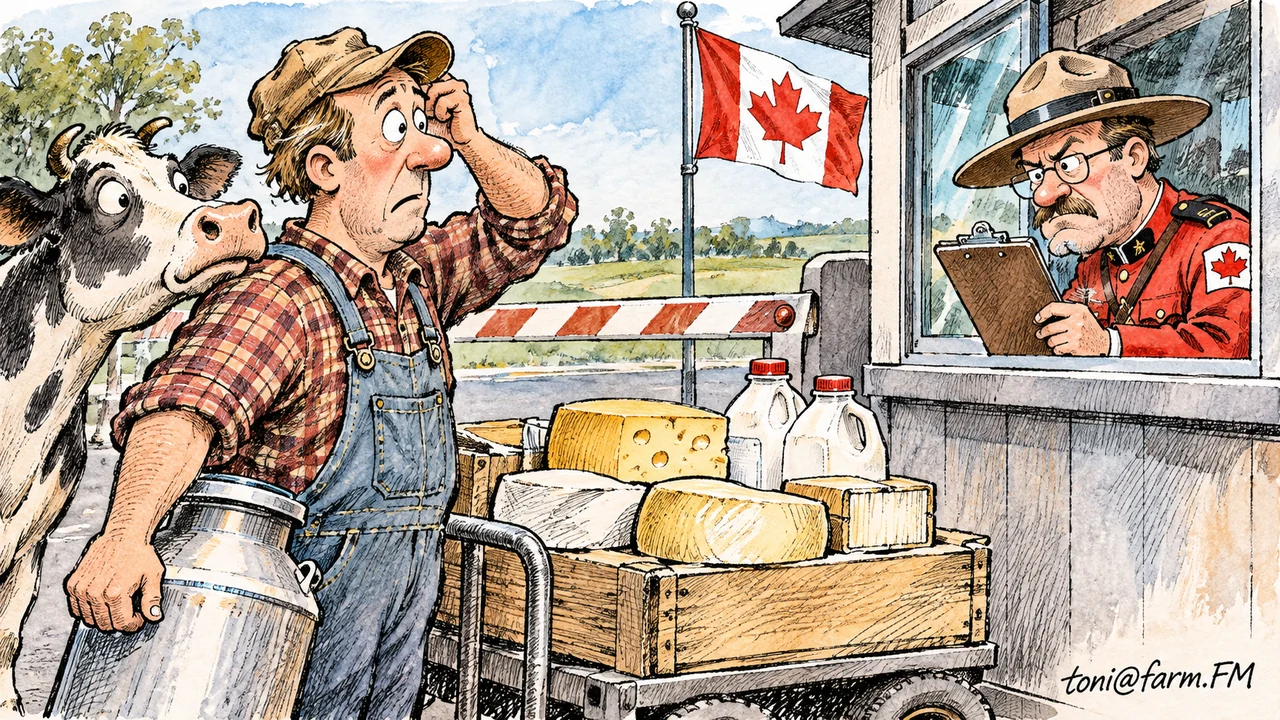
What counts as a trade disruption?
A disruption is anything that stops or slows normal sales across borders. It might be a new tariff, a closed border, a port strike, a disease-related ban, a currency swing, a canceled order or a shipping delay. Some are sudden, others build slowly.
For a Texas dairy, the most likely disruptions involve neighbors, since Mexico and Canada are major trading partners for U.S. agriculture, as shown in trade data from the Foreign Agricultural Service. Disease rules, such as those the APHIS and Texas Animal Health Commission enforce, can also affect movement of animals and products.
Some disruptions are quiet. A buyer slowly shifting orders to another supplier, or a processor changing its product mix, may take months to show up. Watching the early signs helps you act before it becomes a crisis.
What should the plan contain?
Keep it short and practical. List your key markets and buyers, your main inputs and suppliers, your cash reserves and credit lines, and the names and phone numbers of the people you would call: forwarder, lender, attorney, cooperative contact, state agency staff.
Add triggers. For each risk, write what would make you act, such as a delivery delayed beyond a set number of days, and what you would do. Having the decision written down saves time when pressure is high.
- Key buyers and alternates
- Key suppliers and alternates
- Cash and credit options
- Phone list of advisors
- Triggers and first actions
How do you reduce exposure before trouble?
Spread your sales over more than one buyer or market where you can. Keep inventory flexible. Match payment terms to risk, and consider credit insurance or letters of credit for new buyers. Review contracts for what happens if a shipment is delayed or blocked.
Talk to your lender about how a disruption would affect your credit. The Farm Credit associations, commercial banks and the FSA loan programs all have different tools and rules, so ask what each would need to see. Our farm money guide outlines how to prepare.
For smaller operations, many of these steps are the same as sound business practice: a cash reserve, a good relationship with the bank and a record of who owes you money and who you owe.
What government help might exist?
Programs vary and change. The USDA has at times offered assistance after trade disruptions, but eligibility and amounts depend on the specific program. Do not count on help, and do not assume it will not come. Check the official pages and your local FSA office.
The Texas Department of Agriculture can point you to state programs and the International Trade Administration offers export help. A disaster or disruption plan should say who you would call first.
Finally, keep records of any losses caused by a disruption, including dates, invoices and communications. If assistance or insurance becomes available, you will be glad you did.
How do you test the plan?
Once a year, walk through one scenario with your team or family. What if our biggest buyer paused orders for a month? What if a port closed for two weeks? Time the exercise, note the gaps and fix them. A plan that has never been tested is a guess.
Update contact information and revisit your credit relationships. Keep the plan where more than one person can find it. The dairy herd guide offers tips on keeping operations steady when logistics wobble.
Invite your lender or an Extension specialist to the exercise if they are willing. Outside eyes usually spot what insiders miss.
Where can you find more help?
Texas A&M AgriLife Extension and your cooperative can help with planning templates, and the U.S. Dairy Export Council follows market changes. For commentary with a bit of humor, see the economics section at farm.FM and dairy stories, including a farm.FM story on trade disruption planning.
This site is independent and offers general education, not legal or financial advice. Talk with a licensed professional about your own situation.
Share the plan with your key people so everyone knows their role.
Sources and further reading
- USDA Foreign Agricultural Service: export markets and trade data
- USDA APHIS: animal and plant health
- Texas Animal Health Commission: animal disease rules
- Farm Credit: cooperative agricultural lending network
- FSA Farm Loans: FSA direct, guaranteed, microloan and emergency loan information
- USDA: U.S. Department of Agriculture
Ask locally: Ask your lender, your cooperative's field rep and an attorney experienced in agricultural or trade contracts to review your plan.