The Role of Technology in Facilitating Dairy Trade
Dairy trade runs on paperwork, temperature and timing. Technology helps most where it makes those three things visible and reliable.
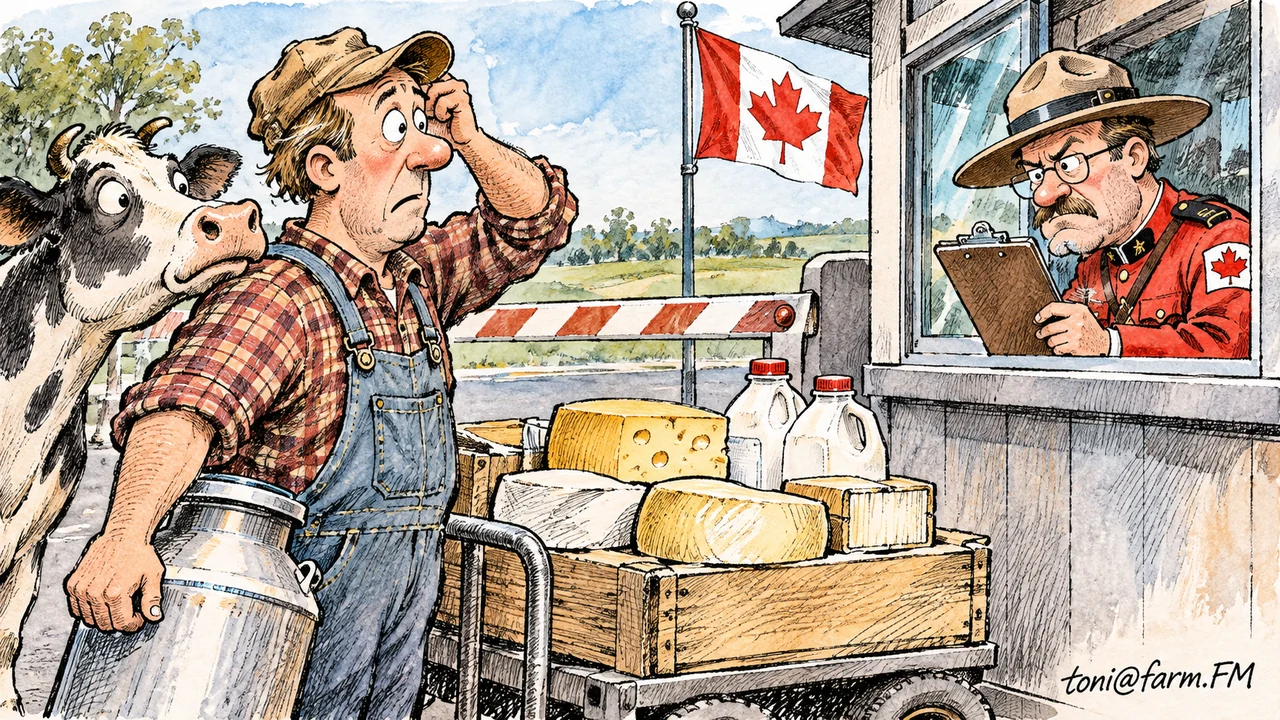
Where does technology help dairy trade?
Three areas stand out: documents, tracking and quality monitoring. Electronic filing can speed export paperwork and reduce errors. Tracking tools show where a container is and when it will arrive. Sensors record temperature and other conditions along the way, creating a record that protects both buyer and seller.
None of these replace good planning, but they replace guesswork with data, which makes disputes easier to settle.
For a Texas exporter, even a modest sensor can pay for itself by settling one claim. FAS export resources describe market requirements that some tools can help meet.
Sensors, loggers and software are tools, and the best tools are the ones your whole team will actually use on a busy day.
- Electronic export and customs documents
- Container and shipment tracking
- Temperature and condition sensors
- Lab and quality data systems
- Online marketplaces and price data
What about documents and customs?
Customs and trade agencies increasingly use electronic systems. U.S. Customs and Border Protection explains U.S. export requirements, and the International Trade Administration offers export guidance. Many freight forwarders file electronically for you, which is a good reason to choose one with a strong system.
Ask your forwarder which documents are digital for your destination and which still need paper. Both exist, and mismatches can delay a shipment.
Some forwarders offer online portals where you can see documents, status and costs in one place. Ask for a demo before you pick one; a good portal saves hours of phone calls.
How do tracking and sensors help?
For refrigerated products, data loggers and real-time monitors create a record of temperature from plant to port. If a shipment arrives warm, the record shows when it happened and who had it. That protects honest suppliers and shortens arguments. Some systems can send alerts so someone can act before product spoils.
A hypothetical example: a plant ships butter and a logger shows a spike during a terminal delay. The plant can show the buyer it left cold and make an insurance claim with evidence.
Price data is also a technology benefit. Reports like USDA Dairy Market News and public auction results arrive online within a short time of the event, so a small plant can see the market almost as quickly as a large one.
What is the risk of over-investing?
Technology costs money, and not every tool pays off for every business. A small plant may do fine with a basic logger and a cooperative forwarder, while a large exporter may justify a full tracking system. Match the tool to the problem. If late shipments are your issue, tracking helps; if spoilage is, sensors help.
Data also needs to be secure. Choose vendors carefully and read terms about who owns and can use your shipment data. A lawyer can review contracts if the stakes are high.
A hypothetical example: a plant buys an expensive tracking system, but its main problem is that paperwork is late. A simple checklist and a deadline calendar would have fixed it for almost nothing. Diagnose first.
What about farm-level technology?
On the farm, sensors and software track milk yield, components, health and feed. This data supports quality claims and can help meet buyer requirements for traceability. Better records at the farm make better records at the plant and in the shipment.
Texas A&M AgriLife Extension offers programs on technology use in dairy, and USDA Rural Development lists programs that may help with rural business investments; check eligibility and current terms. The Texas Department of Agriculture is another stop.
Do not forget training. A sensor is only useful if someone checks it and acts on what it shows. Budget time for staff to learn the tools and make a habit of reviewing the data.
Where to go from here
Start with the pain point. Pick one problem, find the lowest-cost tool that solves it, and test it on a single shipment. For herd-side technology, see the dairy herd guide, and for equipment budgeting see the farm equipment guide and farm money guide.
Over at farm.FM, the farm news section and satire section have fun with gadgets and gizmos, and a story on dairy technology and sensors is a friendly read.
If budgets are tight, begin with the cheapest wins: a reliable logger, a shared calendar for documents and a single contact at your forwarder. These cost little and prevent the most common problems.
Sources and further reading
- U.S. Customs and Border Protection: import and export rules
- International Trade Administration: export help for U.S. businesses
- Texas A&M AgriLife Extension: Texas extension service
- USDA Rural Development: rural business and community programs
- Texas Department of Agriculture: state agriculture agency
- USDA Foreign Agricultural Service: export markets and trade data
Ask locally: Your freight forwarder can tell you which tracking and documentation tools they already support.