The Foreign Agricultural Service (FAS) and Texas Dairy
The Foreign Agricultural Service is the part of USDA that looks outward. For Texas dairy, it is a source of market data, trade help and people on the ground overseas.
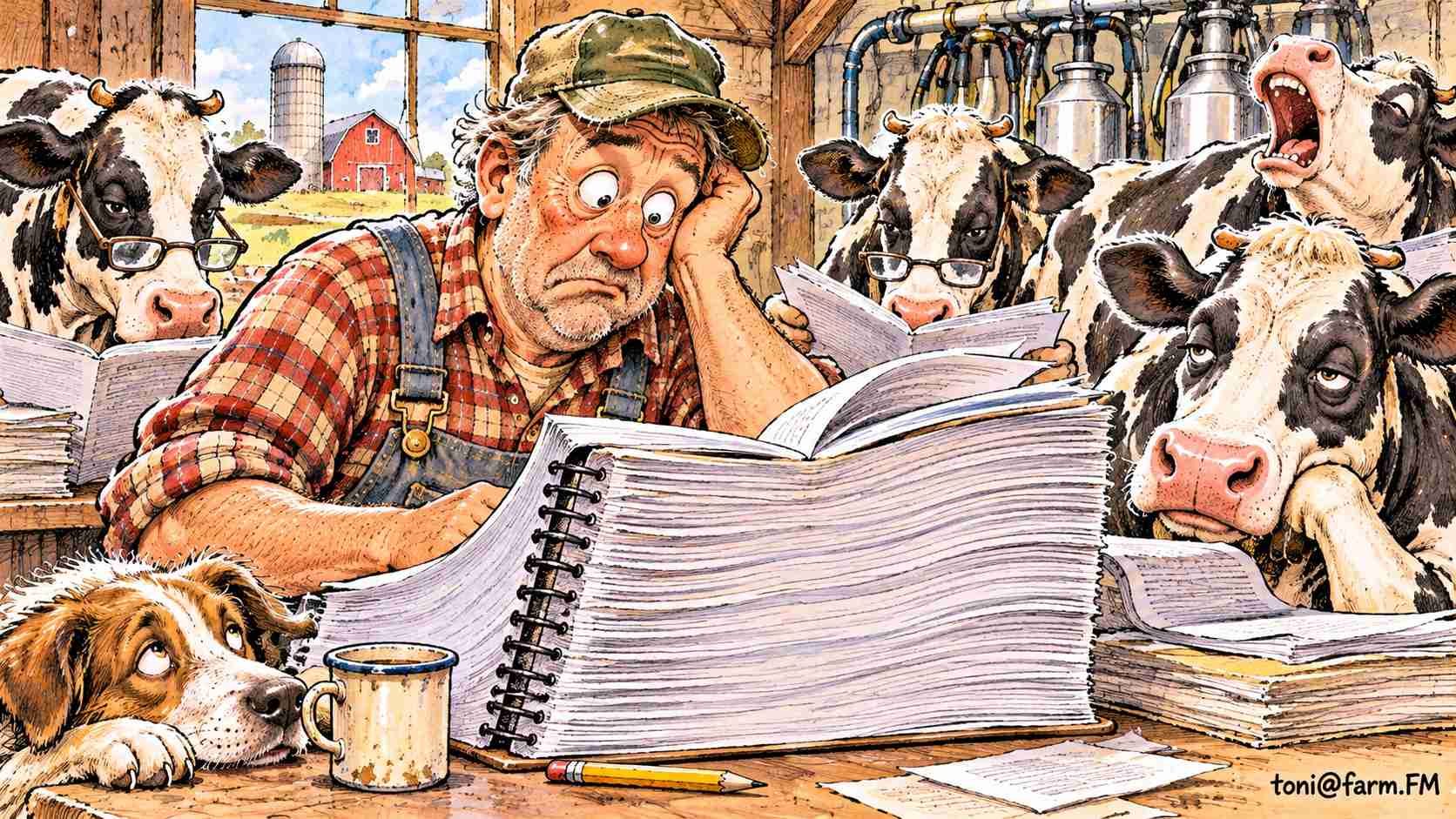
What is the Foreign Agricultural Service?
The Foreign Agricultural Service is the USDA agency that works on international markets for American agriculture. It collects trade data, reports on foreign crop and livestock conditions, works on market access issues and runs programs that help U.S. products compete abroad.
Dairy is only one slice of that work, but a visible one, because dairy trade depends so much on rules, tariffs and regulations. Check the agency's official pages for the current list of programs.
If you want a starting point, search the agency site for dairy and your product category, then bookmark the three pages you find most useful. A short, personal reading list beats a long list you never open, and it gives you something concrete to share with a neighbor or a younger family member taking over the herd.
Why should a Texas dairy care?
Even if you never ship a pound of cheese overseas, export demand affects your milk price. When foreign buyers want more powder, whey or cheese, plants in places like the Texas Panhandle have more reason to run at full tilt. When trade stalls, the effect eventually reaches the farm gate.
Understanding that chain helps you read news more clearly. A headline about a tariff change or a new market opening is not just politics; it is a signal about demand for the products your milk becomes.
What tools does it offer producers and processors?
Several are worth knowing. There are market and country reports, trade statistics, and the staff stationed at embassies. There are also programs that help trade groups promote U.S. products, which is how organizations such as the U.S. Dairy Export Council do much of their work.
The agency also works with the U.S. Trade Representative and other agencies when trade rules are negotiated or disputes arise. For a tariff schedule or trade flow, the U.S. International Trade Commission has data tools.
A practical tip: when you read a farm headline about a new trade deal or a trade complaint, look for the underlying USDA or USTR document and read the summary. It usually takes ten minutes and gives you a clearer view than the headline did.
- Country and commodity reports
- Trade statistics
- Overseas staff and market access work
- Support for trade promotion groups
How do you use the information well?
Start with a question, not the data. Are you wondering which regions buy more U.S. cheese? Whether a competitor's output is rising? Whether a currency move might change your processor's outlook? A clear question tells you which report to open.
Then check the date on every report. Trade data lags, and a number that was right last quarter may be stale now. Use trends, not single points, and treat any forecast as an estimate.
How can a smaller operation get involved?
You do not need to hire a consultant. Read a few reports each month, join a cooperative or association that follows trade, and attend webinars from Texas A&M AgriLife Extension or industry groups. If you are thinking of exporting, contact the Texas Department of Agriculture to learn which state programs work alongside the federal ones.
The farm money guide explains how to think about risk before taking on new markets.
How do trade policy and tariffs connect to the agency?
Many people assume the agency only collects data, but it also takes part in trade policy. It supports negotiations, helps address sanitary and technical barriers, and supplies the market intelligence that negotiators use. When a trade dispute makes news, the agency is often one of the voices explaining its effect on farm products.
For a dairy producer, that means a tariff headline has a long chain behind it. If you want to see how that chain connects to prices, take a look at the dairy section at farm.FM and compare the news against the data.
Where else can you keep learning?
For plain-spoken business coverage with some humor, try the agribusiness stories at farm.FM, and see a farm.FM story on the Foreign Agricultural Service. Over at this dairy guide you can learn more about the day-to-day side of the herd.
Our site is independent of USDA, and what we write is general information. Always rely on the agency itself for the current details.
Sources and further reading
- USDA Foreign Agricultural Service: export markets and trade data
- U.S. Dairy Export Council: dairy exports
- USTR: U.S. Trade Representative
- U.S. International Trade Commission: tariff and trade data
- Texas A&M AgriLife Extension: Texas extension service
- Texas Department of Agriculture: state agriculture agency
Ask locally: Ask your cooperative's market analyst or a state Extension economist to help you read the federal trade reports.