Canada’s TRQ on Cheese: A Barrier for Texas Dairy?
Canada's cheese quota has been a trade sore spot for years, but a Texas cheese maker may or may not feel it. Here is how to tell, and where to read the official positions.
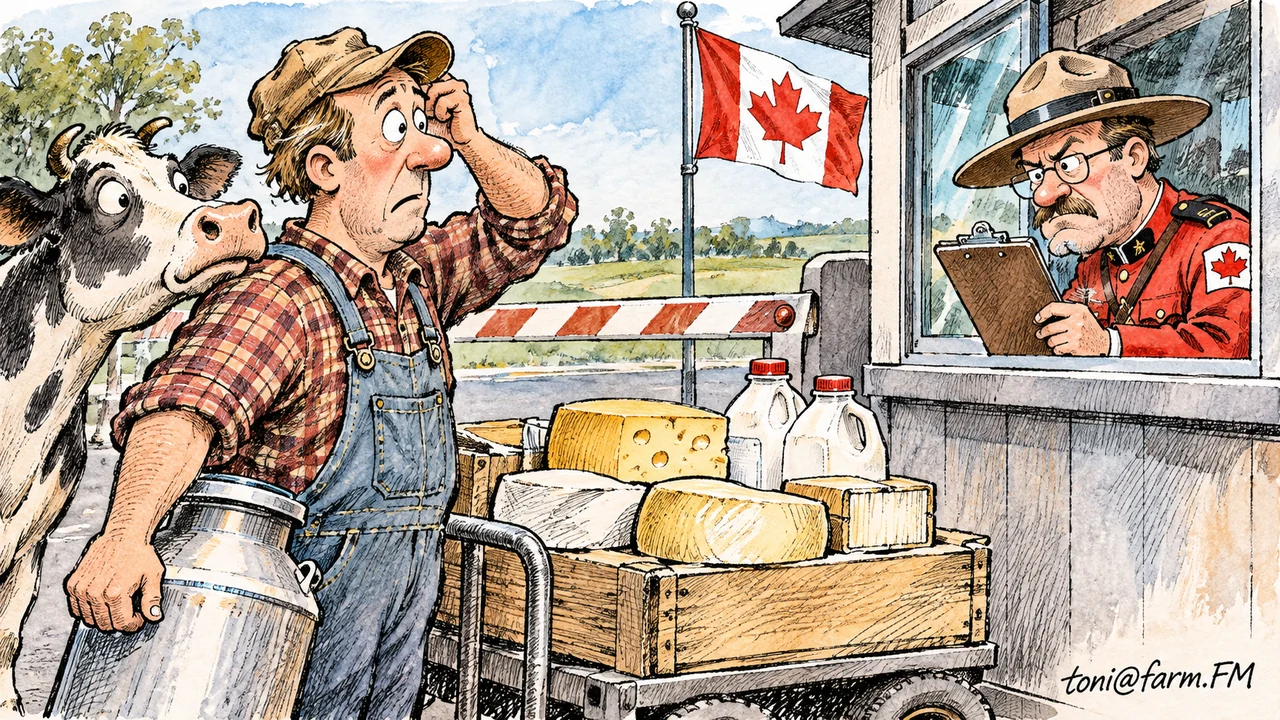
What does the headline mean by a barrier?
Canada manages its dairy imports with tariff-rate quotas, a system where product inside a set quantity gets a lower tariff and product beyond it faces a high one. U.S. dairy groups have long argued that how Canada allocates and administers those quotas limits what they can sell. Canadian officials have defended the system as part of their supply-management approach.
Both sides have a case, and a fair reading starts there. Whether the barrier is large or small is a question for the official records, not a headline, so confirm the details at the USTR and the agreement text.
How does a quota become a barrier in practice?
Quotas become barriers when the rules about who can use them are narrow, when the timing is awkward, or when processors hold much of the access. An exporter may find that the only way to sell is through a partner who controls quota, which shifts bargaining power.
Think of it like a highway with a toll booth that only some trucks can use. The road exists and the destination is real, but access depends on paperwork and relationships. The details differ by product, so a cheddar maker and a cream cheese maker may have very different stories.
Another wrinkle is timing. When quota is released in periodic windows, a seller with product ready can miss a window and wait months. That is a planning problem as much as a policy one, and it is why cheese buyers sometimes prefer suppliers who already have an established route in.
Does it affect a Texas cheese maker?
It depends on scale and product. A small farmstead cheese operation near Dumas probably sells within Texas and to neighboring states and may never think about Canada. A larger plant with national distribution might include Canada in its long-term growth plans.
A quick self check helps. Ask whether any of your sales go to Canada, whether your distributor would like them to, and whether your product type is covered by a quota line. The U.S. Dairy Export Council follows market access issues and publishes updates on them.
Ask yourself too whether you would rather build a Canadian customer base or deepen your existing domestic one. For many small plants the second option is cheaper and less risky, and there is nothing wrong with choosing it.
- Do I currently sell across the border?
- Is my product subject to a quota line?
- Would a Canadian partner help me access quota?
Where do the facts live?
Trade agreements, tariff schedules and dispute records are public. The U.S. International Trade Commission publishes tariff and trade data, USDA's Foreign Agricultural Service produces market reports, and CBP explains export documentation.
Take care with older articles. Rules change after reviews, panels and negotiations, and what was true two years ago may not be today. Date every source you read and look for the latest version.
What can a small Texas producer realistically do?
Most of the practical work is indirect. Keep your quality records tidy, know your product's tariff classification and talk to your co-op about whether new export channels are being explored. The dairy herd health guide and farm money basics cover the operations and cash-flow sides of any growth plan.
Texas A&M AgriLife Extension can point you toward workshops on value-added dairy and market development. Ask about both product safety rules and export readiness.
If a Canadian opportunity does appear, get the legal and customs details in writing before you commit milk or capacity. A licensed customs broker and your own attorney can both save you from a bad contract, and the International Trade Administration offers export counseling.
How should you read the debate?
Trade fights tend to get framed as heroes and villains. It is more useful to treat them as a negotiation between two systems with different goals: one protects domestic price stability, the other wants more open access.
For more everyday coverage, the dairy section at farm.FM mixes stories and jokes, and the agribusiness section covers economics. There is also a farm.FM piece on Canada and dairy trade if you want a gentler entry point.
Sources and further reading
- USTR: U.S. Trade Representative
- U.S. Dairy Export Council: dairy exports
- U.S. International Trade Commission: tariff and trade data
- USDA Foreign Agricultural Service: export markets and trade data
- U.S. Customs and Border Protection: import and export rules
- Texas A&M AgriLife Extension: Texas extension service
Ask locally: Ask your cheese distributor or co-op trade desk first, then a USDEC market access specialist.