The Importance of Quality Certification for Export Success
A buyer on the other side of an ocean cannot taste your product before it ships. Certification is how they decide whether to trust you.
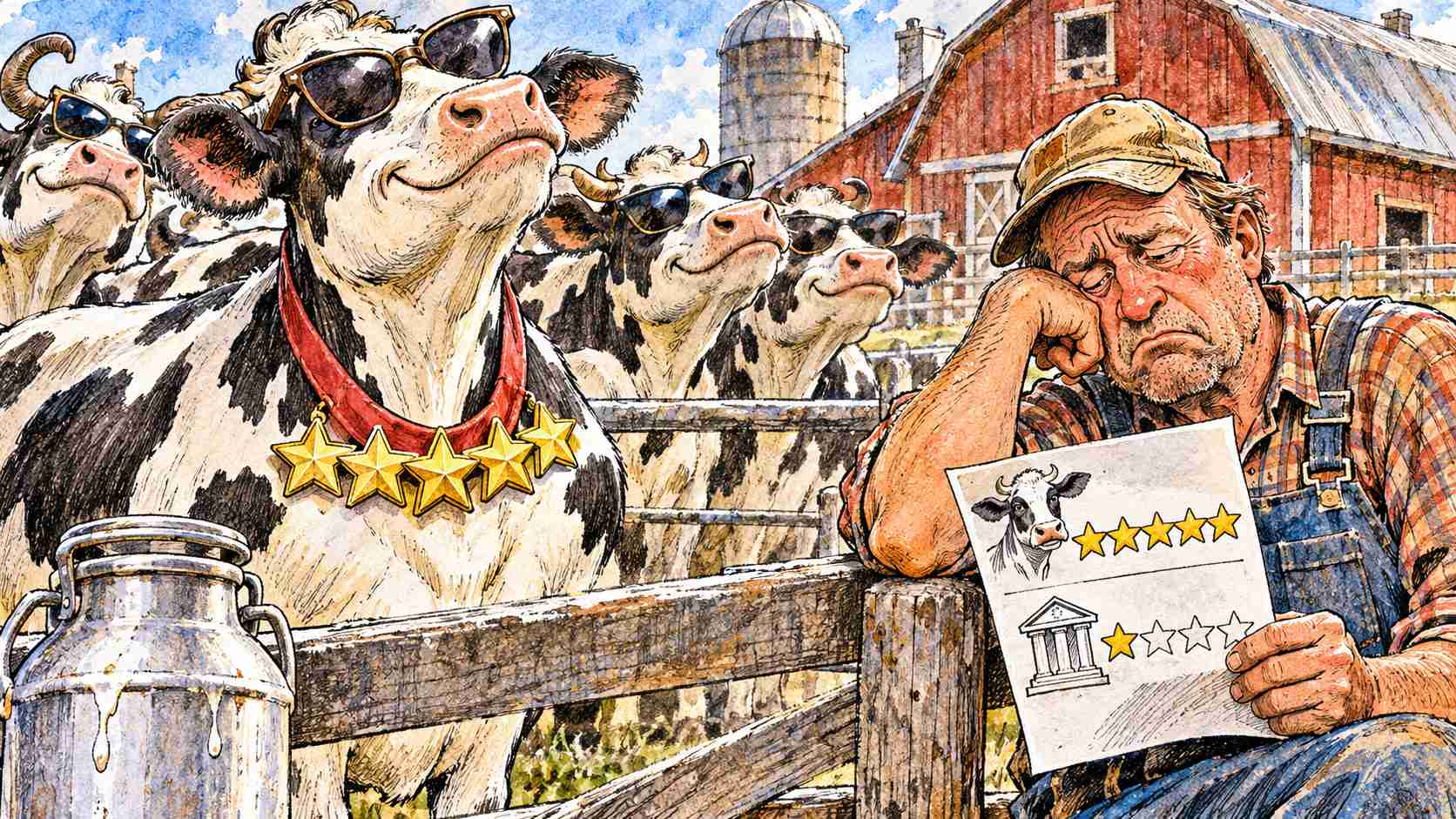
Why do certifications matter in export?
Distance creates doubt. A buyer who has never visited your plant relies on documents, audits and certificates to judge whether you are reliable. Certification gives them a shared language: this plant was inspected against a recognized standard by a qualified outside party.
It also protects you. When a dispute arises, records and audit reports show what you did, and that evidence can decide who pays.
Certification also helps with insurance and lenders, since a plant with documented systems presents a lower risk. Some buyers and lenders ask for certificates as a basic condition of doing business.
What kinds of certification exist?
There are several categories. Government inspection and export certificates come from agencies like USDA's Agricultural Marketing Service, which offers dairy grading and inspection services, and the FDA, which oversees food safety rules. Private food safety schemes recognized by buyers are audited by independent bodies. Product claims such as organic have their own programs.
Which ones you need depends on your product, your buyers and your destination. Ask buyers which they accept before paying for any audit.
Expect questions about traceability, allergen control, pest control, supplier approval and corrective actions. Auditors look for evidence that the system works every day, not only on audit day.
- Government inspection and grading
- Export health certificates
- Private food safety audits
- Organic or other claim certification
- Halal, kosher or other religious certification
How do you decide where to start?
Start with the buyer's request and the destination's rules. Many buyers specify what they will accept. The Foreign Agricultural Service and International Trade Administration list market requirements, and your freight forwarder will know which certificates are checked at the port.
A hypothetical example: a plant spends heavily on a certificate its target buyers do not use. A short call to three buyers first would have saved that money. Do the asking before the buying.
Be careful with consultants who promise guaranteed results. Good advisors explain the standard, assess your gaps, and leave you with systems your own staff can run. Ask for references from plants of similar size.
What does preparation look like?
Preparing means writing procedures, training people, keeping records, fixing problems found in a mock audit and passing a real one. Expect a few months of work for a small plant that is starting from scratch, and more if equipment changes are needed. Each audit has a fee, and a follow-up visit adds cost.
Designate a quality lead, even if that is part of someone's job. Certification is not a one-time event; auditors return, and the system must keep working between visits.
A hypothetical example: a small cheese plant chooses to fix its sanitation records first, because auditors always begin there. Once those are in order, the rest of the system comes together faster. Start with the area where you already know the gaps are largest.
How does it pay back?
Benefits include access to buyers who require certificates, fewer rejected shipments, faster dispute resolution and sometimes better prices. A plant that is certified is often given more trust and more volume. The payback depends on whether your buyers value it, so tie your investment to actual demand.
Cost sharing may be available. Some state and federal programs help small food companies with certification expenses. Ask the Texas Department of Agriculture and check USDA Rural Development pages for current options, and confirm eligibility directly.
Your state agencies can also answer questions about where inspections end and private audits begin, so ask them early. FSIS covers meat and poultry, which is a different system from dairy, so confirm which agency applies to your product.
Where to go next
Texas dairies and processors, including those in the Panhandle near Dumas, can use AgriLife Extension food safety courses to prepare. Farm-level quality starts with milk handling, covered in the dairy herd care guide, and budgeting is covered in the farm money guide.
Over at farm.FM, the dairy section and food stories look at quality from barn to table, and a story on dairy quality is a good follow-up.
Keep copies of every certificate and audit report in one place with expiry dates on a calendar. Lapsed paperwork is one of the most common and most avoidable reasons shipments stall.
One more tip: join a peer group of plant managers or quality leads in your region. They will know which auditors are fair and which buyers are demanding, and they will be glad to swap lessons.
Sources and further reading
- USDA AMS: marketing and market news
- FDA: food and drug safety
- USDA Foreign Agricultural Service: export markets and trade data
- International Trade Administration: export help for U.S. businesses
- Texas Department of Agriculture: state agriculture agency
- USDA Rural Development: rural business and community programs
Ask locally: A food safety consultant or extension specialist can run a mock audit and help you pick the right certification.