How Texas Dairies Can Access Export Financing
Selling abroad often means waiting longer to get paid, which makes financing a real issue. This is a general-education guide to where Texas dairy businesses look for export financing and how to compare options. We are not a lender and do not give financial advice.
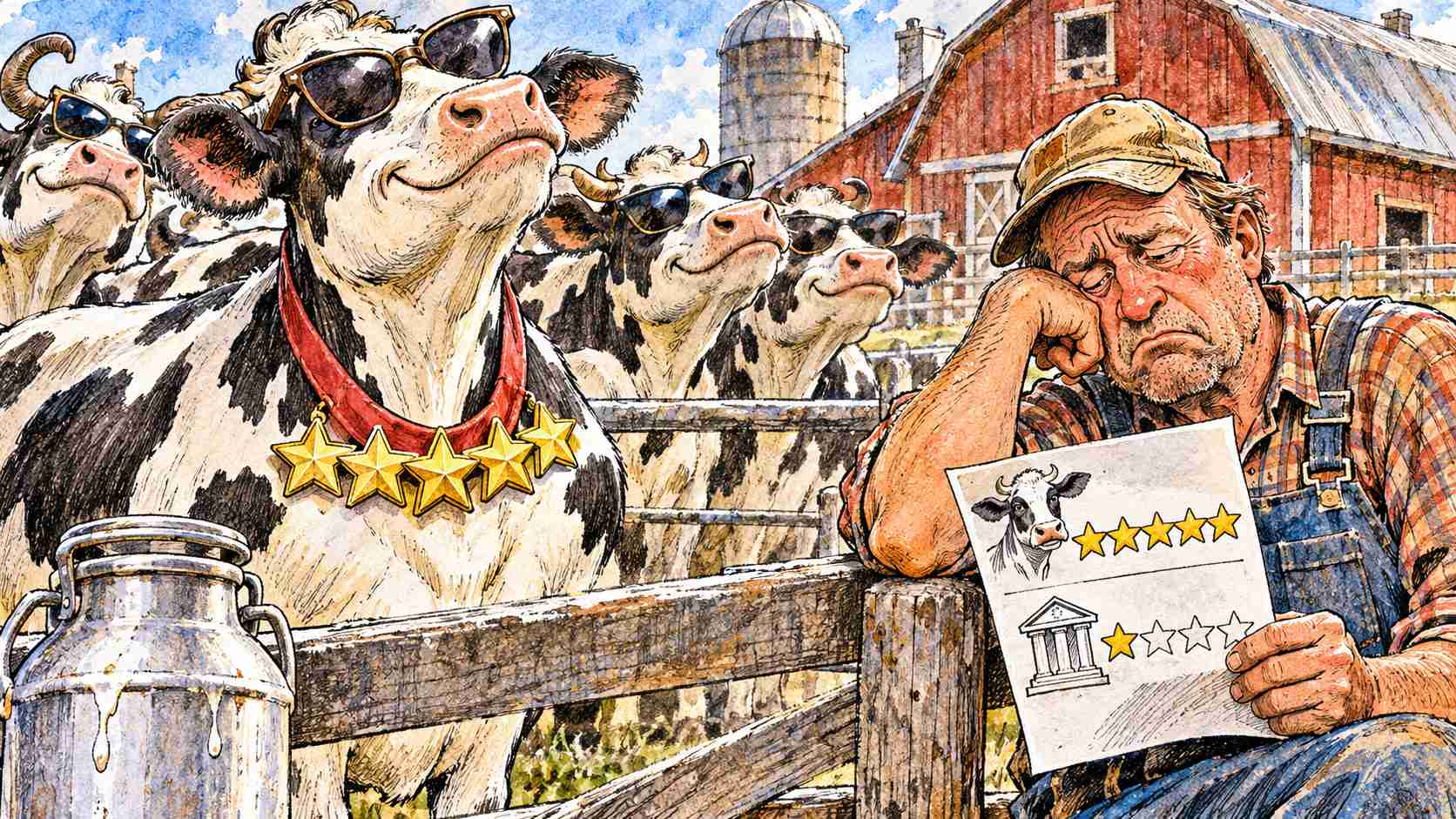
Why does exporting strain cash flow?
Export orders tie up money in inventory, shipping, insurance and paperwork before payment arrives. Payment terms of weeks or months are common. A plant that is comfortable with domestic terms can find an export order squeezes its working capital.
Check any specific program details at official sources, since terms and eligibility change. Nothing here is a recommendation or an offer of credit.
Think of it like planting season: seed and fuel go out long before any harvest check comes in. Export is the same, except the harvest check may come from another country and arrive slowly.
In practice, many exporters discover the gap only after the first order ships. A simple timeline helps: mark the date you pay for inputs, the date the product leaves, the date it arrives and the date payment is due. The space between the first and last date is the amount of cash you must carry.
Where do exporters look for financing?
Common starting points include commercial banks, credit unions, Farm Credit associations, federal agencies such as the Small Business Administration and FSA farm loan programs for farm operations, and trade finance tools offered by banks.
Which one fits depends on whether you are a farm, a processor or a trading business. The International Trade Administration also publishes guides that explain financing options for U.S. exporters in general terms.
Also ask your freight forwarder and customs broker whether they know of financing partners. They see many exporters and can sometimes point you to the right office.
Do not assume that any one of these sources will say yes. Eligibility, credit history and collateral all matter, and lenders have their own appetite for risk. Applying to more than one is normal, and comparing offers is smart.
- Local banks and credit unions
- Farm Credit associations
- Federal small business and farm loan programs
- Bank trade finance, such as letters of credit
How do you compare lenders?
Ask each one about rates, fees, repayment schedule, collateral, how they handle export receivables and how quickly they can decide. Request written quotes so you can compare like with like.
A lender familiar with dairy and agricultural exports is more likely to understand your cycle. Ask how many similar businesses they serve and who your point of contact would be.
If you have a long-standing bank, start there. A lender who knows your history can often say yes faster than a new one.
Ask about hidden costs: origination fees, early repayment penalties, insurance requirements and the cost of any letters of credit. Add them up before you decide, and ask a licensed professional to review anything you do not follow.
What should you bring to the meeting?
Bring financial statements, tax returns, a cash flow projection, your export plan, buyer information and any signed purchase orders or contracts. A lender will want to know who is paying you, when and how.
Be ready to explain your product, your shipping plan and how you will manage risks such as currency and payment delays.
It helps to practice your explanation out loud. A clear two-minute summary of your export plan signals preparation.
- Recent financial statements and tax returns
- A cash flow projection including export timing
- Buyer references and purchase orders
- Shipping and insurance plan
Who regulates and helps in Texas?
State-chartered banks and some other financial institutions are overseen by the Texas Department of Banking, and deposit insurance information comes from the FDIC. Farm Credit institutions are regulated by the Farm Credit Administration. These offices can confirm whether an institution is properly licensed.
For consumer-style protections and general finance education, the CFPB publishes plain-language guides. Always talk to a licensed professional, such as an accountant or attorney, before signing.
If a lender or broker pressures you to decide quickly, slow down. Reputable professionals give you time to review documents.
If something feels wrong, such as a request for upfront fees to guarantee a loan, stop and verify with the regulator. Real lenders do not promise approval before reviewing your finances.
What simple habits help?
Keep clean books, build a relationship with your lender before you need money and avoid taking on terms you do not understand. The farm money guide covers budgeting basics, and the small farm guide offers ideas for smaller operations.
A lighter break from financial homework is fine too. farm.FM's agribusiness stories and the satire section make the money side less grim, and one farm.FM story on farm financing may help you smile.
If cash gets tight, talk to your lender early. Most would rather work out a plan than discover a problem late.
Sources and further reading
- SBA: small business loans and counseling
- FSA Farm Loans: FSA direct, guaranteed, microloan and emergency loan information
- International Trade Administration: export help for U.S. businesses
- Texas Department of Banking: state bank regulator
- Farm Credit Administration: regulator of the Farm Credit System
- CFPB: consumer finance protection
Ask locally: Ask your banker or credit union first, then an accountant who understands export receivables.