The U.S.-India Trade Relationship: A Potential Market for Dairy
India has an enormous population and a deep dairy culture, which makes it look like a dream market on paper. In practice, dairy is among the most sensitive subjects in any trade conversation with India.
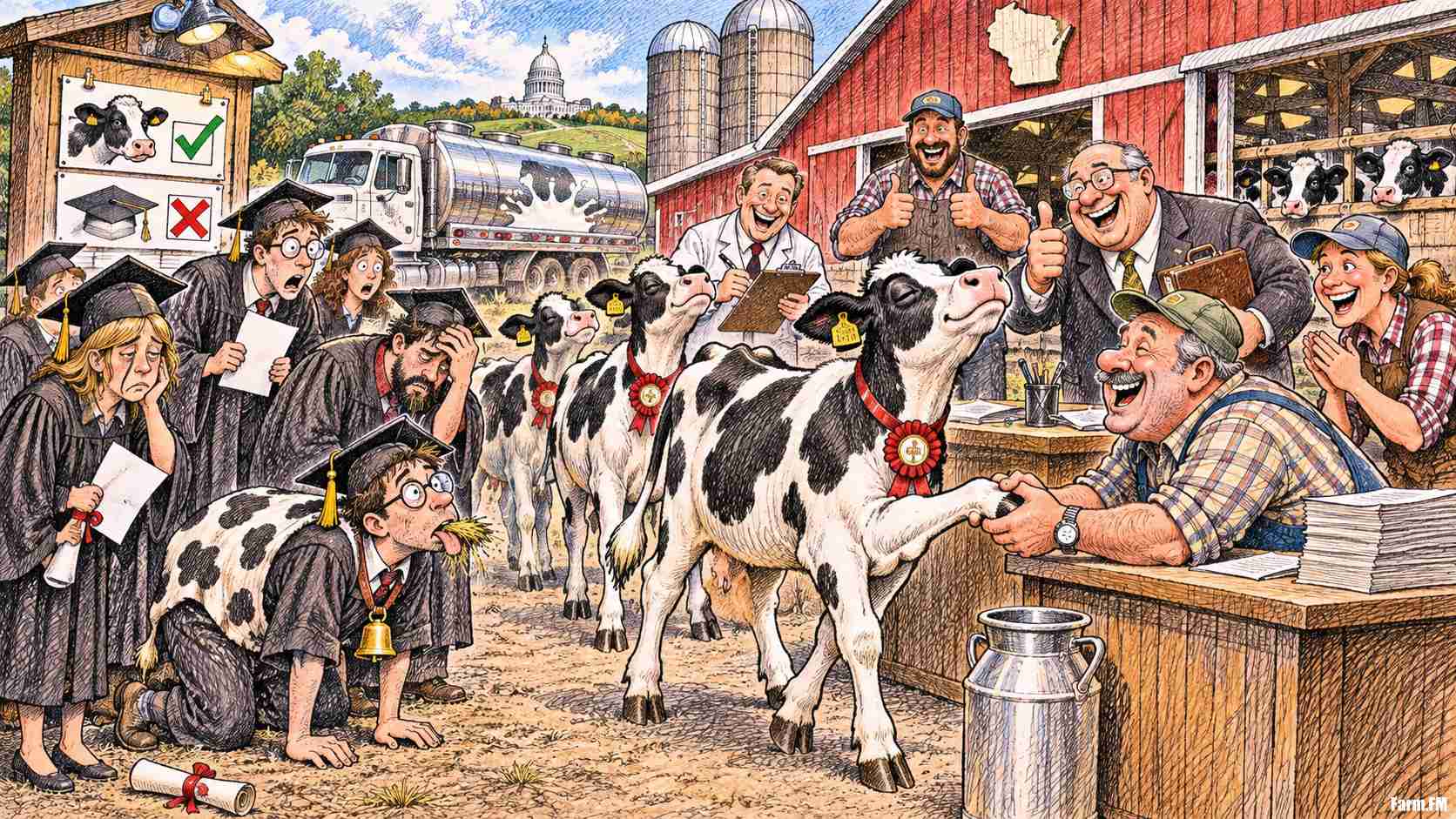
Why is India a puzzle for dairy exporters?
India is a very large producer of milk, much of it from small farms, and dairy is closely tied to livelihoods and, for many people, to cultural and religious practice. That makes the government cautious about opening the market to imports, and trade talks have often treated dairy as a red line.
So the title's phrase, potential market, is carefully chosen: the potential exists, but so do barriers. Details of any tariffs, quotas or negotiation positions should be checked at the U.S. Trade Representative and the USDA Foreign Agricultural Service. Figures in news stories are as reported.
It is also a reminder that market size alone does not equal market access. India's dairy sector is built on millions of small producers and cooperatives, and the political weight of those farmers is enormous. Any foreign supplier has to respect that reality.
What are the main barriers?
Beyond tariffs, India has particular rules about the feed given to dairy animals. Certification requirements for imported dairy have, in past trade discussions, asked whether cows were fed products from animals, and that is a concern for U.S. producers whose feed practices differ. Labeling and licensing rules can also complicate things.
The International Trade Administration has market guides for exporters, and the U.S. Customs and Border Protection outlines U.S. export paperwork.
These barriers are not always trade tricks. Some come from genuine cultural concerns, and some from food safety rules. A respectful exporter learns the reasons and works within them where possible.
- High import duties on many dairy products
- Certification rules tied to animal feed
- Licensing and labeling requirements
- Strong domestic political support for local dairy
What might actually fit the Indian market?
If dairy imports are limited, other segments may offer more promise. Ingredients such as whey proteins, specialty nutrition products and genetics could find buyers, as can equipment and technology that help local producers raise efficiency. Some of the best long-term opportunities in agriculture are in partnerships rather than shipments of finished goods.
A hypothetical example: a U.S. firm sells high-performance dairy genetics to an Indian cooperative. That trade supports Indian farmers and also benefits American breeders, and it does not threaten local milk sales.
Another angle is price: Indian consumers are often price-sensitive, and local milk is abundant. Imported dairy would have to offer something different, such as protein content, specialty products or quality, to justify a premium.
How would this reach a Panhandle dairy?
Mostly through plant demand and world price effects. India is such a large player that its choices on imports or exports can move global markets for milk powder and ghee-type products. A Dumas dairy is unlikely to sell directly to India, but its milk may become powder or whey that is sold into a global marketplace influenced by India's policies.
Our dairy herd care guide is a reminder that efficiency on the farm is the strongest hedge against distant policy changes.
If you are curious about how Texas dairy can compete in any foreign market, remember that exports reward consistency. Plants that deliver the same quality every shipment build trust, and trust is hard for a competitor to copy.
What do the two sides argue?
Supporters of more open trade say that India's growing middle class wants more dairy variety and that U.S. suppliers can meet the demand while sharing technology. Critics, including many Indian farm groups, say that imports could depress prices for millions of small producers and that food standards should reflect local values.
Both positions deserve respect. For independent analysis, see the USDA Economic Research Service and the U.S. International Trade Commission, and for exporter views the U.S. Dairy Export Council.
For a farmer deciding where to put attention, the answer is usually closer to home. Domestic demand and regional prices will affect your check far more than an Indian trade negotiation this year.
What should you do with this information?
Treat India as a long-term watch item, not a plan. Know your costs and risk tools, including Dairy Margin Coverage, and check current terms with FSA. The budgeting pages at farm money basics are a good place to model a few price scenarios.
For lighter reading about world markets, visit farm.FM, where the agribusiness section and the dairy page cover the business and the cows. One relevant piece is a farm.FM story on India and dairy trade. For Texas export support, try the Texas Department of Agriculture.
Sources and further reading
- USTR: U.S. Trade Representative
- USDA Foreign Agricultural Service: export markets and trade data
- International Trade Administration: export help for U.S. businesses
- U.S. Customs and Border Protection: import and export rules
- USDA Economic Research Service: farm economy data and analysis
- U.S. Dairy Export Council: dairy exports
Ask locally: Ask a Texas A&M AgriLife Extension dairy or economics specialist about export opportunities in genetics and ingredients.