The Export Potential of Texas Whey Protein
Whey was once a disposal problem at cheese plants. Today it is an ingredient shipped around the world, and Texas cheese makers have a stake in that story.
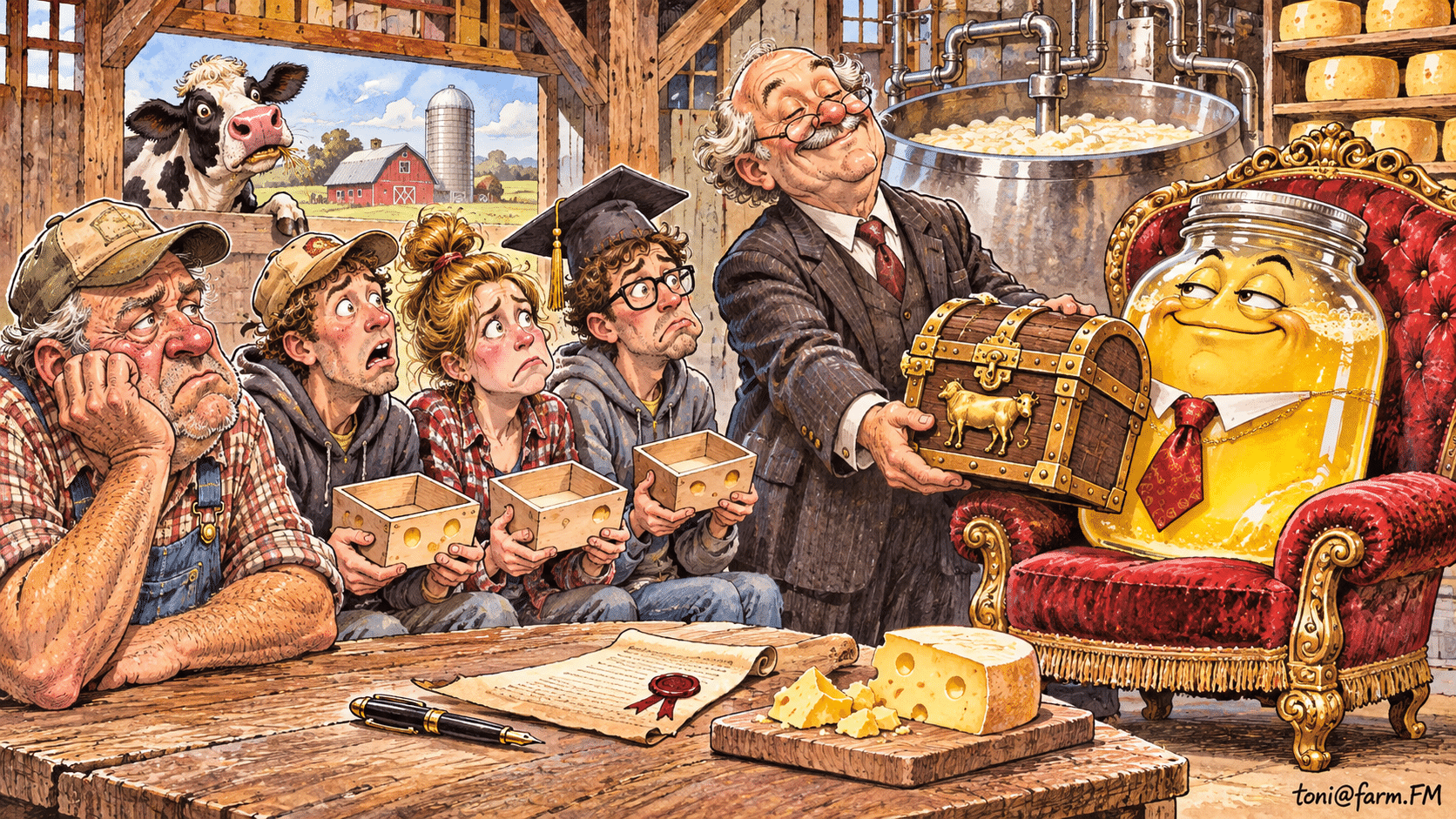
What is whey protein and where does it come from?
Whey is the liquid left after milk is curdled and strained to make cheese. It contains protein, lactose, minerals and a little fat. Processors filter and dry it into products with different protein levels, from whey permeate to concentrates and isolates. Those products go into sports nutrition, bakery goods, snacks, beverages and infant products.
Because it is a co-product of cheese, supply follows cheese production. A plant that makes more cheese produces more whey, and that is why the whey market is tied to cheese growth in Texas.
Protein grades matter. A lower-protein whey product sells at a lower price than a highly filtered one, and a plant must decide how far up that ladder it wants to climb. Each step needs equipment, energy and skilled staff.
Why do overseas buyers want it?
Demand for protein has grown in many countries as consumers look for convenient, nutritious foods. Buyers range from large food manufacturers to supplement makers, and each has its own specifications for protein level, flavor, solubility and microbiology. Pricing depends on grade, and the USDA Dairy Market News reports show whey product prices alongside other dairy items.
Check export data at the Foreign Agricultural Service to see destinations and how they have changed over time. Use the official data, not a rumor, to size a market.
What does a plant need to export it?
Plants need consistent quality, strong food safety records and the right paperwork. Many buyers ask for third-party audits and certificates of analysis for each lot, and some markets have specific rules on ingredients and labels. Pack size and packaging also matter, since powders can absorb moisture.
Export documentation is explained by the International Trade Administration and customs steps by U.S. Customs and Border Protection. Product safety rules come from the FDA.
Ask buyers for their written specifications before you invest in equipment. A spec sheet tells you the protein percentage, moisture limit, microbiological limits, and packaging they expect. If you cannot meet it consistently, a sale may fail even if the first load passes.
- Certificates of analysis for each lot
- Food safety audit records
- Labeling that matches the destination
- Packaging that protects powder in transit
- Traceability back to the milk supply
What risks come with whey exports?
Whey prices can swing, and they respond to global supply, currency and trade policy. A plant that relies on one buyer or one market is exposed if that door narrows. Tariffs, quotas and sanitary rules can also change.
A hypothetical example: a plant sells most of its whey to a single foreign buyer. If that buyer changes suppliers, the plant must find another outlet fast. Spreading sales across buyers and keeping some domestic customers reduces the shock.
It is also worth noting that whey sits in the middle of competing uses. Some goes to feed, some to food ingredients, and some to specialty products. Prices follow whichever use pays best, so a plant that understands its options earns more.
How do Texas plants fit in?
Texas has growing cheese capacity, especially in the Panhandle and around Dumas, and that means more whey. Plants that invest in drying and filtration can capture more value, but those investments are large and require careful business planning and lender conversations. Ask your cooperative or processor about how whey is handled today.
The U.S. Dairy Export Council publishes market insight for exporters, and Dairy MAX serves the region. The Texas Department of Agriculture can share state export resources.
Before you commit capital, ask your lender and an engineer to model the payback on filtration and drying under several price scenarios, including a weak one. A project that only works in the best case is a risk, not a plan.
Where to learn more
Farmers who supply cheese plants benefit from understanding the chain. The sister page on dairy herd care covers production and this farm money guide covers planning around price swings.
Over at farm.FM, the dairy section and agribusiness coverage follow protein markets, and a story on whey protein exports adds color.
Farmers who ship milk to cheese plants are not directly paid for whey in most arrangements, but cheese plant profitability depends on it, and that can show up in milk pricing. Ask your cooperative how component values are handled.
Sources and further reading
- USDA Dairy Market News: weekly dairy price reports
- USDA Foreign Agricultural Service: export markets and trade data
- International Trade Administration: export help for U.S. businesses
- U.S. Customs and Border Protection: import and export rules
- FDA: food and drug safety
- U.S. Dairy Export Council: dairy exports
Ask locally: A dairy ingredient broker or your processor's sales team can tell you how whey is currently marketed.